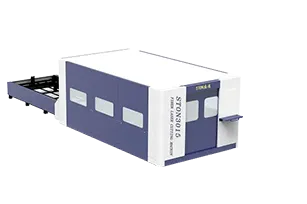
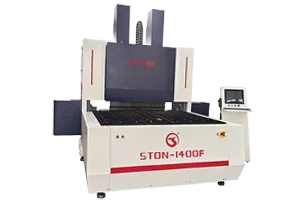
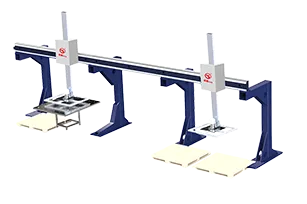
We're responsible for building-----we're responsible for manufacturing-----we're responsible for training

Manual bending setups are slow, inconsistent, and risky. Many sheet metal manufacturers still struggle with poor repeatability, operator fatigue, and outdated press brake technology that limits production.
A modern brake press machine—whether hydraulic, electric, or hybrid—solves all these problems by delivering faster, safer, and more precise bending through CNC-controlled motion and smart automation.
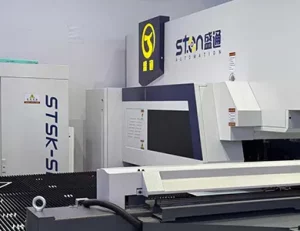
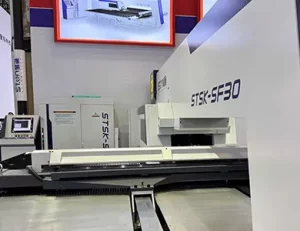
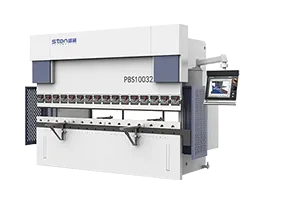
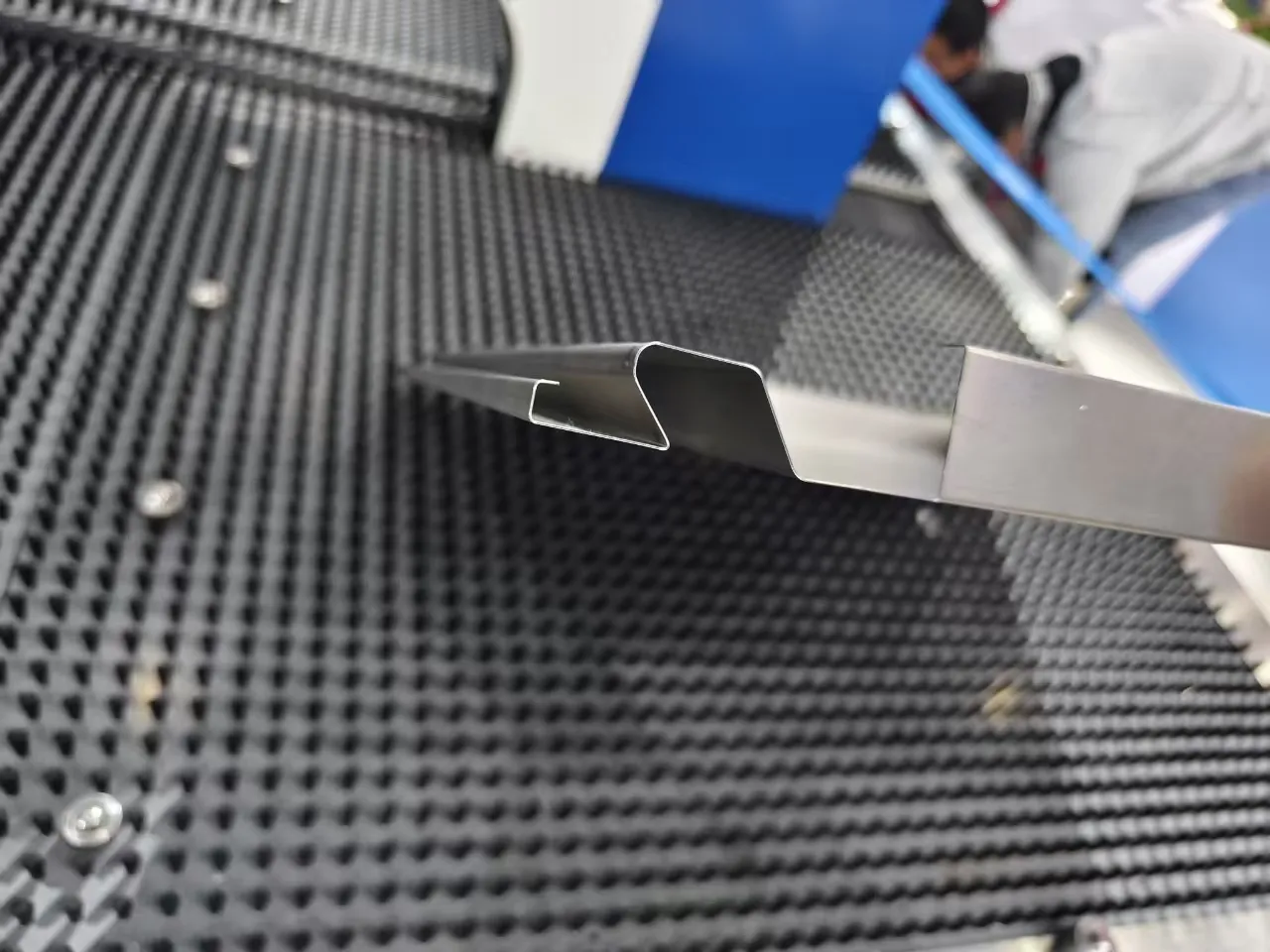
A press brake machine is a metal forming machine used to bend sheet metal into desired shapes using a top punch and bottom die. It applies a calculated bending force to the metal, allowing operators to create angles, flanges, channels, and other profiles.
Modern press brakes—especially hydraulic press brakes and CNC press brake machines—use numerical control (NC or CNC) to automate the bending sequence, improving repeatability, accuracy, and operator safety.
A hydraulic press brake remains the industry standard due to its:
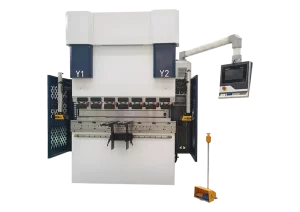
STON’s hydraulic press brake machines use a synchronized hydraulic system for smooth motion of the upper beam, combined with advanced CNC systems for precision sheet metal bending.
Modern CNC press brake machines are equipped with:
🔄 Multi-axis backgauges for part positioning
🧠 Smart CNC systems to automate bending sequence
🔧 Auto-crowning and dynamic force control for uniform bends
📏 ±0.2 mm accuracy and repeatability
This enables precise bend angle control, even for complex parts and multiple-step bends.
%cnc press brake bending tool change
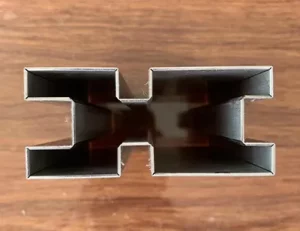
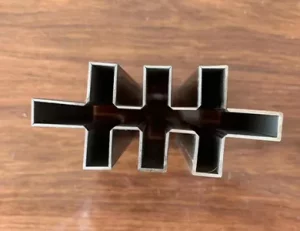
The bending process in a brake press typically involves:
The most common bending technique is air bending, which allows for flexibility in bend radius and reduces tool wear.
Hybrid press brakes combine hydraulic and electric technologies:
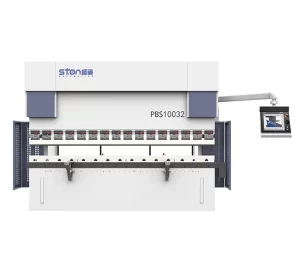
Meanwhile, servo-electric press brakes use ballscrew and servo motors for fast, silent operation—ideal for small parts and environmentally sensitive factories.
Brake press machines are widely used across industries where precision sheet metal bending is critical. Let’s look at key sectors that benefit from modern press brake technology:
| Industry | Typical Use Cases |
|---|---|
| Electrical Cabinet Manufacturers | Door panels, back panels, cable routing enclosures |
| HVAC Ducting Plants | Air duct flanges, support frames, control unit components |
| Door and Frame Manufacturers | Stainless steel door skins, frame bending, structural parts |
| Kitchenware & Appliance Plants | Housing panels, control panel cutouts, edge flanges |
| Telecom & Power Enclosure Makers | Base frames, interior racks, multi-angle casing components |
| Furniture & Racking Factories | Locker doors, steel shelving supports, bracket arms |
| EV Charging Enclosure Makers | Outdoor stainless steel covers, side brackets, mounting arms |
Wherever sheet metal is formed and precision is required, a press brake is an essential part of the production line.
What is the difference between a press brake and a bending machine?
The terms are often used interchangeably. A press brake is a type of bending machine that uses hydraulic, mechanical, or electric force to bend sheet metal with high precision.
What tonnage do I need in a hydraulic press brake?
Tonnage depends on your material thickness, bend length, and bend radius. For example, 3 mm mild steel over 2 meters may need a 100-ton press brake. STON offers tonnage calculators and consultation to find the right fit.
Is operator training required for a CNC press brake?
Yes. While machines are more user-friendly than ever, operator training is essential for safety, precision, and efficient use of CNC programming tools.
Can one press brake handle complex parts?
Yes. With the right tooling, multi-axis backgauges, and CNC control, modern machines can handle complex parts and multi-step bends with high repeatability.
How long do press brake tools last?
Tool longevity depends on use and maintenance. With proper care and material matching, punches and dies can last for tens of thousands of cycles. Tool maintenance schedules help extend this life further.
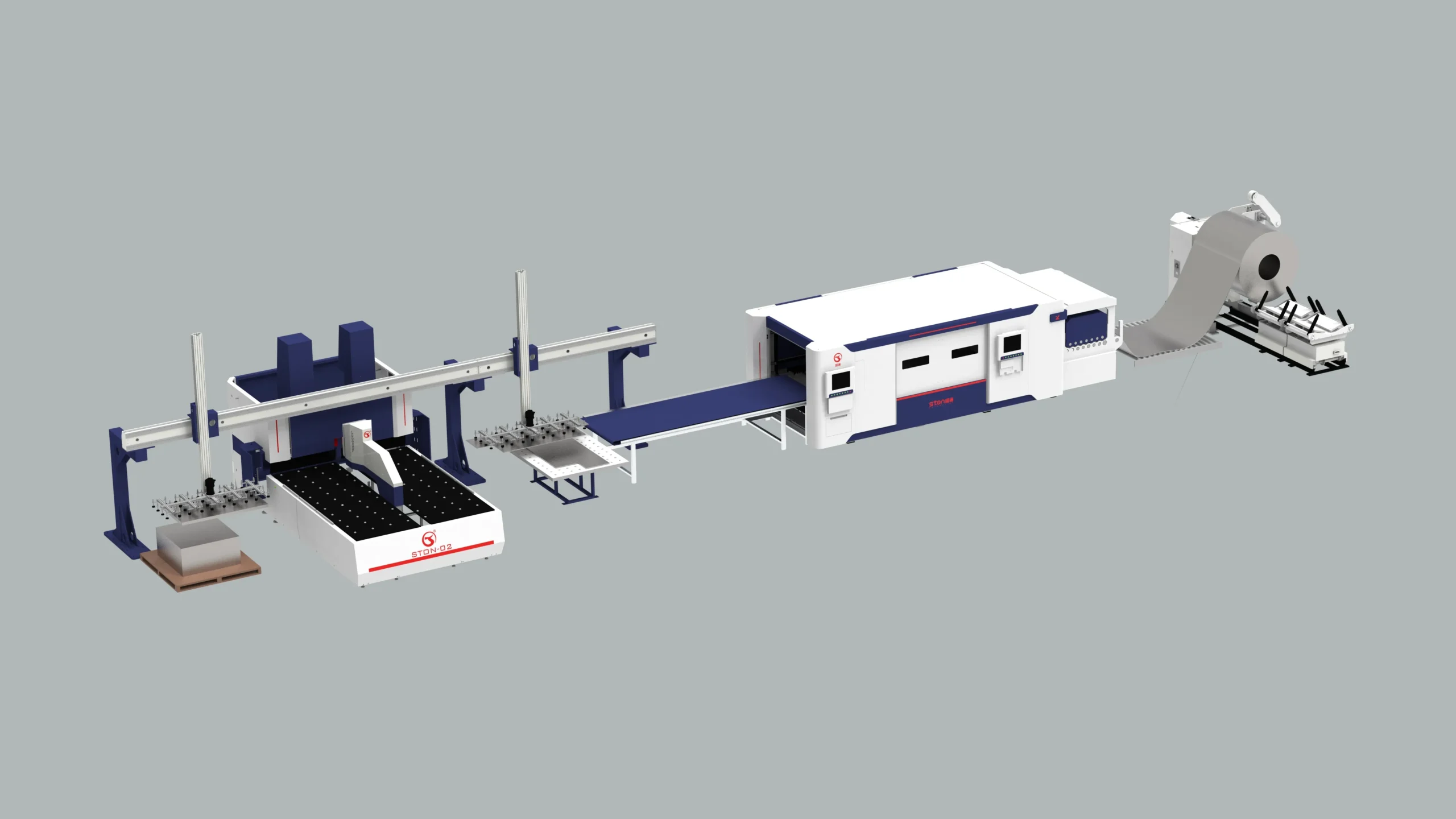
Whether you're upgrading an existing line or starting a new project, STON will customize a CNC solution for your production.