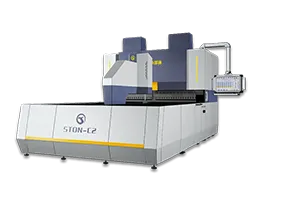
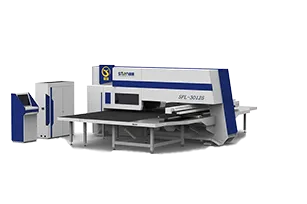
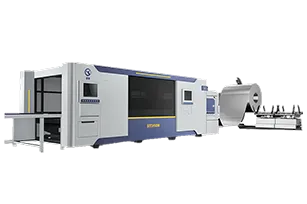
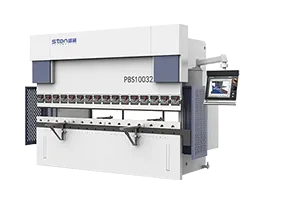
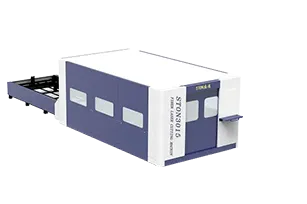
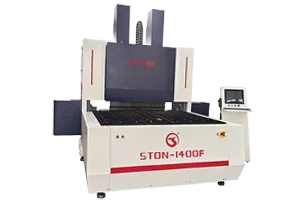
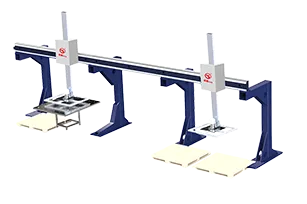
We're responsible for building-----we're responsible for manufacturing-----we're responsible for training

At a time when the manufacturing industry is accelerating its transformation, the sheet metal processing machinery industry is standing at a critical node of transformation. From technological breakthroughs to changes in market demand, from industrial policy guidance to improved environmental protection requirements, the development trend of the industry presents a multi-dimensional and deep-level change.
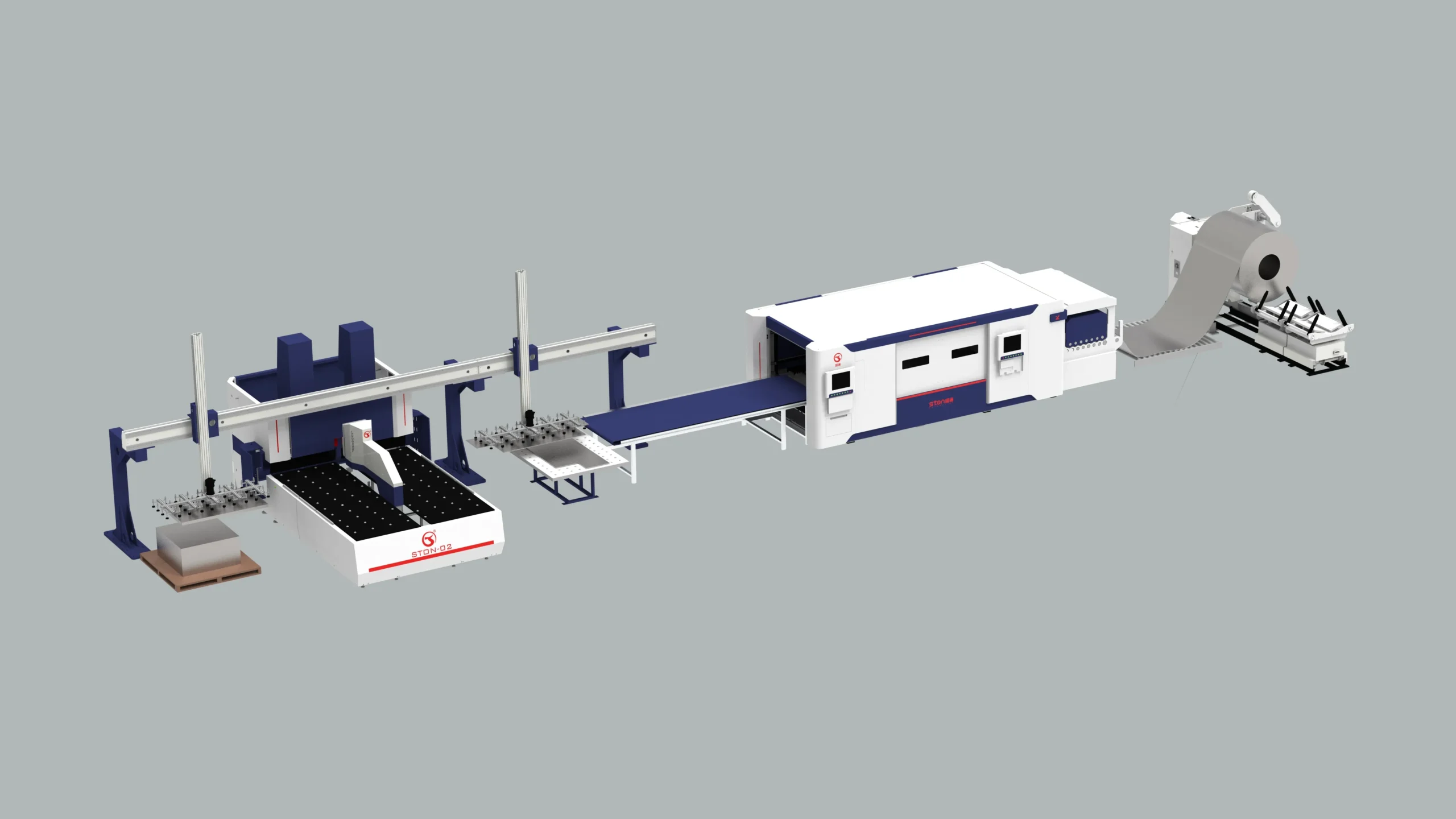
Intelligentization has become an irreversible development direction for the sheet metal processing machinery industry. At this year’s International Industrial Expo, TRUMPF’s world-first high-end laser cutting machine TruLaser Tube 7000 fiber and the TruMatic 5000 high-efficiency laser punching processing unit, which debuted in Asia for the first time, are typical examples of the industry’s intelligent development. The deep integration of CNC systems and AI technology gives the equipment a “smart brain”. Through real-time collection of processing data by sensors, and the use of big data analysis and AI algorithms, the equipment can automatically optimize process parameters such as cutting and bending, and the processing accuracy has been increased from the previous ±0.1mm to ±0.05mm, and the production efficiency has increased by 30% – 40%. Moreover, digital and intelligent technologies have simplified the programming process. Through 3D models, CNC programs can be generated with one click, greatly shortening the development cycle of new products. Not only that, AI technology can also be used to predict equipment conditions, achieve predictive maintenance, avoid production line shutdowns, and ensure production continuity.
With the increase of global environmental awareness, the sheet metal processing machinery industry has also actively responded to the call for green manufacturing. In traditional processing technology, the use of a large amount of cutting fluid not only pollutes the environment, but also increases the environmental protection treatment costs of enterprises. Nowadays, green processing technologies such as dry cutting and micro lubrication are gradually becoming popular. Some companies use laser cutting instead of traditional stamping, which reduces energy consumption and waste generation in the process of mold manufacturing and replacement, and increases material utilization from 60% – 70% to 80% – 85%. At the same time, companies also pay more attention to energy efficiency in equipment design, using energy-saving motors, intelligent control systems, etc. to reduce equipment operation energy consumption. For example, the new CNC bending machine reduces energy consumption by 20% – 30% by optimizing the hydraulic system and control system. This not only meets environmental protection requirements, but also saves operating costs for enterprises and enhances the social image of enterprises.

At present, market demand is changing from single, large-scale production to multi-variety, small-batch, personalized customization. To meet this demand, sheet metal processing machinery companies have improved the flexible processing capabilities of their equipment. Some advanced CNC punching machines are equipped with automatic die changing systems, which can replace different dies in a short time to achieve the processing of various complex shaped parts. Enterprises also communicate closely with customers by establishing a digital design platform to quickly carry out product design and process planning according to customer needs. For example, the miniaturized and lightweight sheet metal shell customized for electronic equipment manufacturers not only meets the structural strength requirements, but also takes into account the appearance and heat dissipation functions. This customized production model enables enterprises to better adapt to market changes, increase product added value, and enhance market competitiveness.
The development of the sheet metal processing machinery industry is inseparable from the collaborative cooperation of upstream and downstream industrial chains. From raw material suppliers to equipment manufacturers to end users, all parties are cooperating increasingly closely. Raw material companies continue to develop new metal materials, such as high-strength aluminum alloys and titanium alloys, to provide more high-quality options for sheet metal processing. Equipment manufacturers cooperate with scientific research institutions and universities to carry out technical research and accelerate the development and application of new technologies. At the same time, the industry also achieves resource sharing and collaborative innovation by establishing industrial alliances and sharing manufacturing platforms. The sheet metal industry shared manufacturing platform created by Jiejiang Network integrates the resources of more than 100 manufacturers, realizes transparent operation and delivery of the entire chain such as order acceptance, distribution, and process design, and improves the overall operational efficiency of the industry.
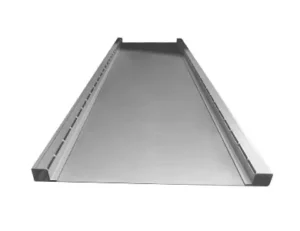
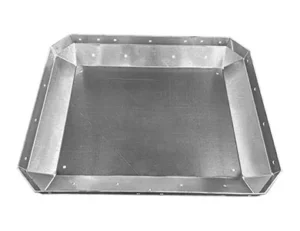
Faced with these development trends, sheet metal processing machinery companies need to respond actively. Increase investment in the research and development of intelligent and green manufacturing technologies, cultivate professional and technical personnel, and enhance corporate innovation capabilities; strengthen cooperation with upstream and downstream companies in the industrial chain, expand business channels, and optimize industrial layout; pay attention to market trends, adjust product strategies in a timely manner, and meet customer personalized needs. Only in this way can companies seize the initiative in the fierce market competition and achieve sustainable development. In the future, with the continuous advancement of technology and the continuous evolution of the market, the sheet metal processing machinery industry will surely usher in a broader development space and inject strong impetus into the high-quality development of the manufacturing industry.
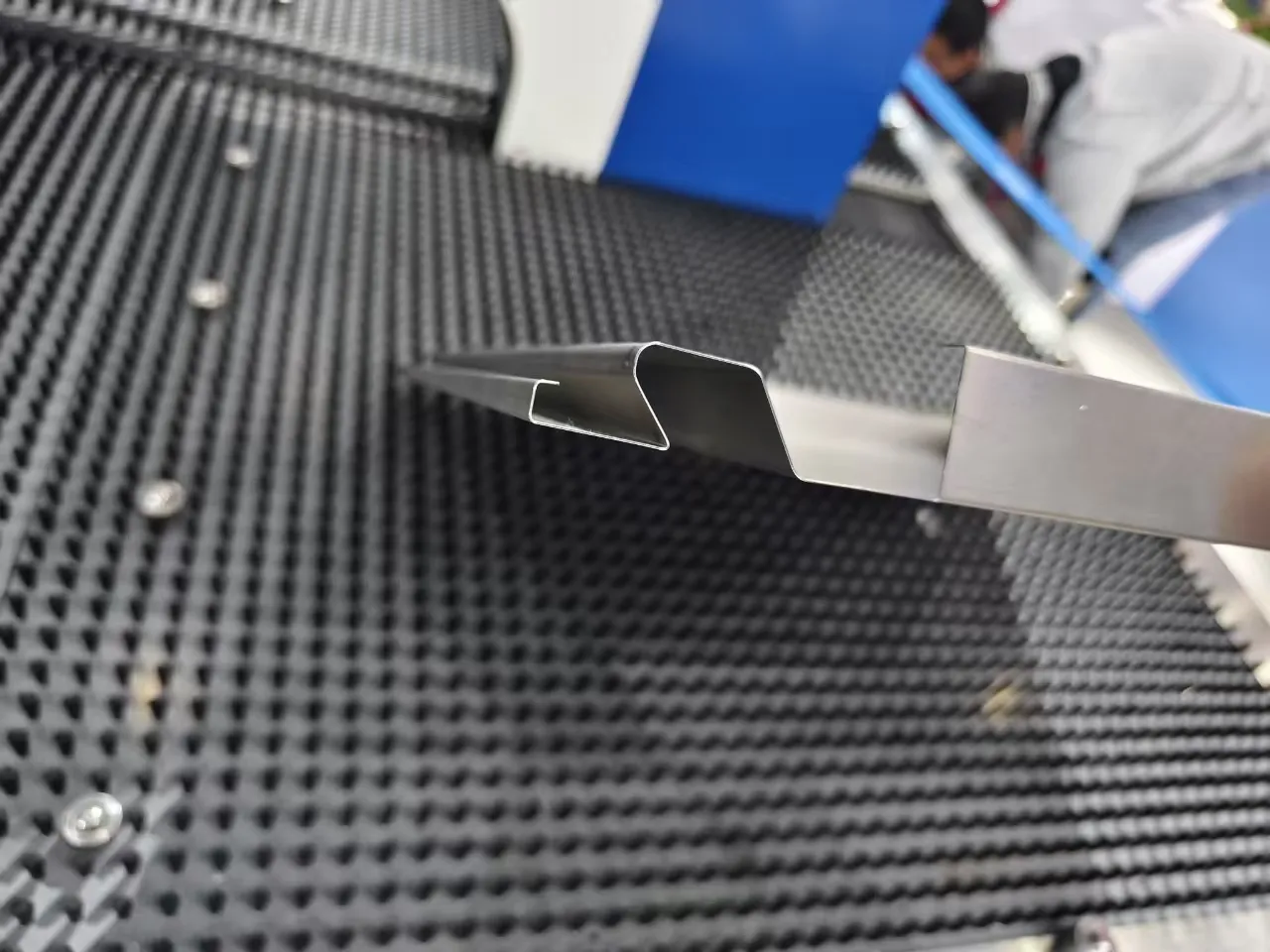
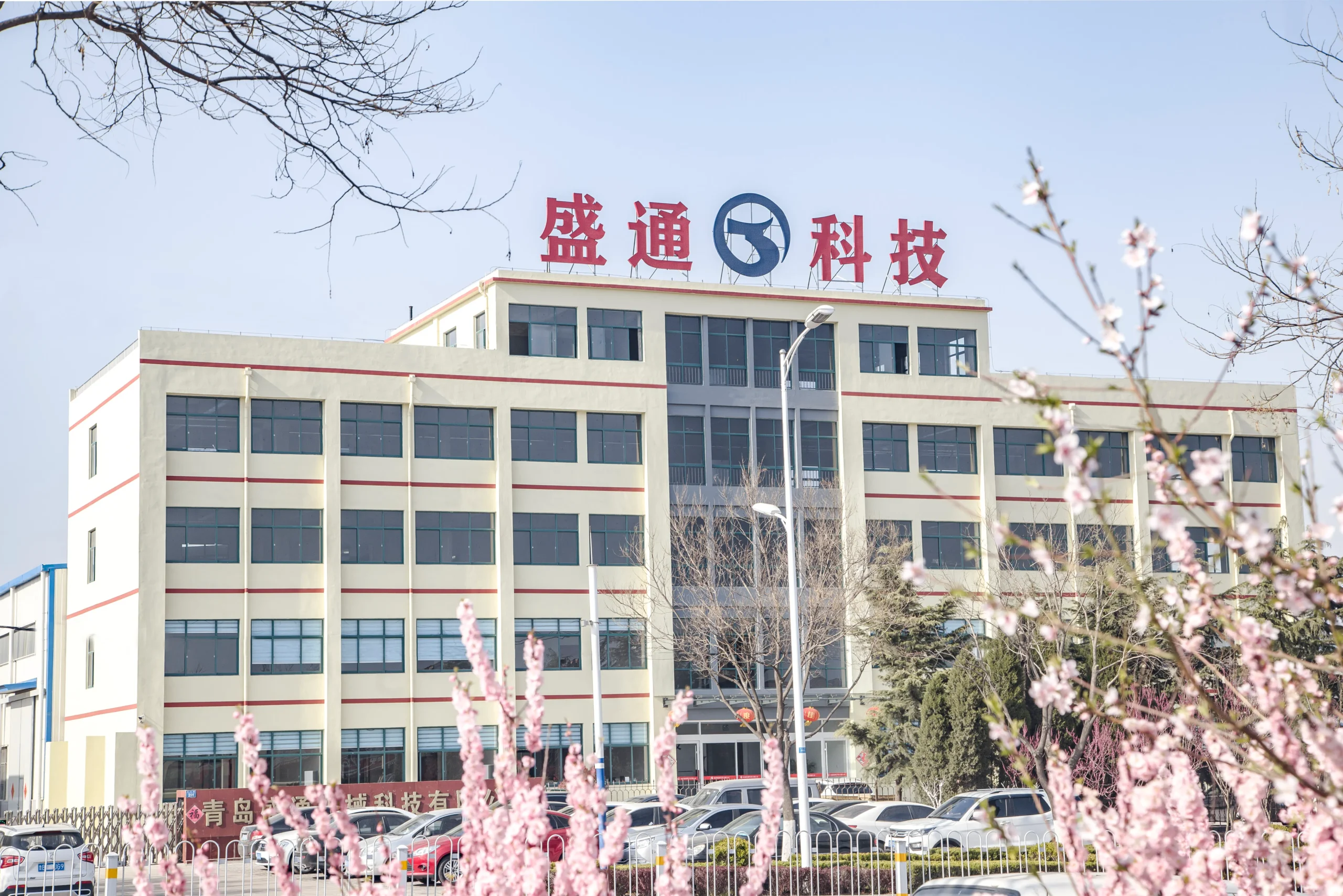
Whether you're upgrading an existing line or starting a new project, STON will customize a CNC solution for your production.