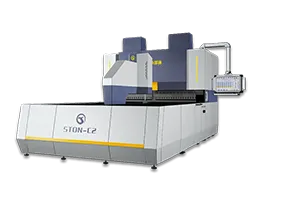
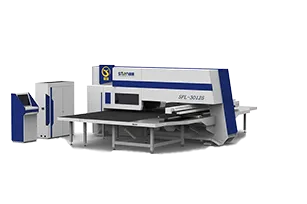
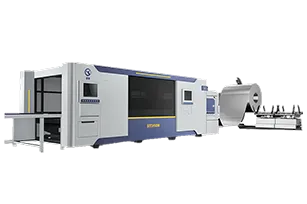
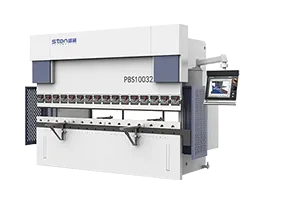
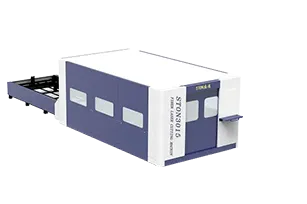
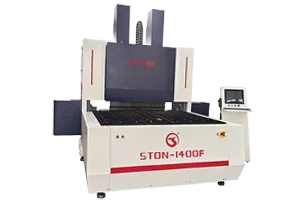
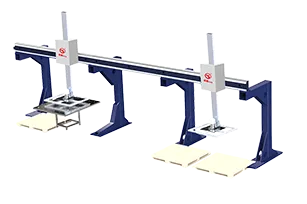
We're responsible for building-----we're responsible for manufacturing-----we're responsible for training

Slow nests, poor edges, and downtime are killing your margins. Rework, idle setups, and manual handling stack up fast. The fix: a modern laser cutting unit—engineered to cut clean, fast, and safe while lowering total cost.
A laser cutting machine uses a focused laser beam to precisely cut metal or non-metals at speed, guided by CNC. The best laser cutter for sheet-metal work is a fiber laser unit: it delivers clean edges, high throughput, and low maintenance compared with other cutting machine types.

A laser cutting machine focuses a laser beam into a small laser spot. The energy heats and melts material at the cut line. The CNC moves the head to follow your profile. Gas flow—often air assist, nitrogen, or oxygen—pushes molten metal out to leave a clean cut.
Industrial users choose fiber laser cutters for metal cutting (stainless steel, mild steel, aluminum). Non-metals like acrylic or plastic are often better on CO2 laser systems. In both cases, accurate motion and stable optics give you reliable edges and speed.

A clean cut is no accident. You need:
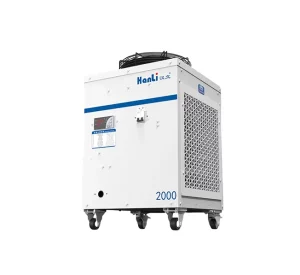
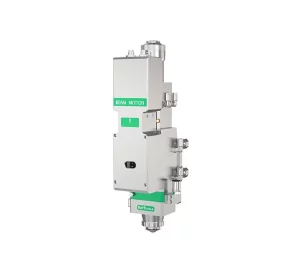

On thin gauges, dry shop air can be great; on shiny aluminum, nitrogen often wins. For small holes, shorten pierce, tighten position control, and adjust lead-ins. Good CAM and nesting make it easy.
Use this short checklist to choose the best fit:
If you’re unsure, run sample parts on two power levels and compare times, gas use, and edge quality. Let data guide you.
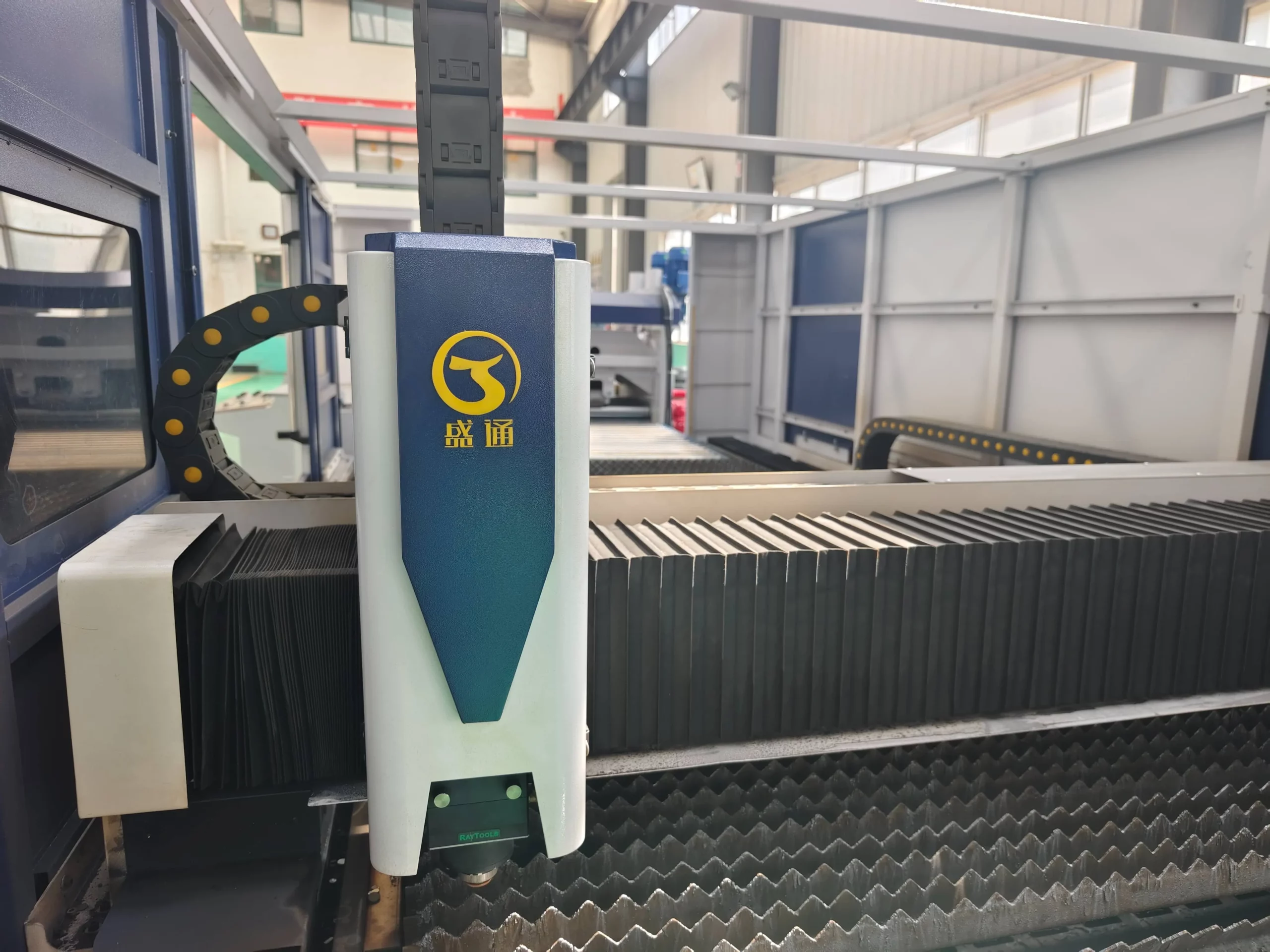
Internal resources (learn more):
(These links help you plan a full line—from coil feed to bending—under one roof.)
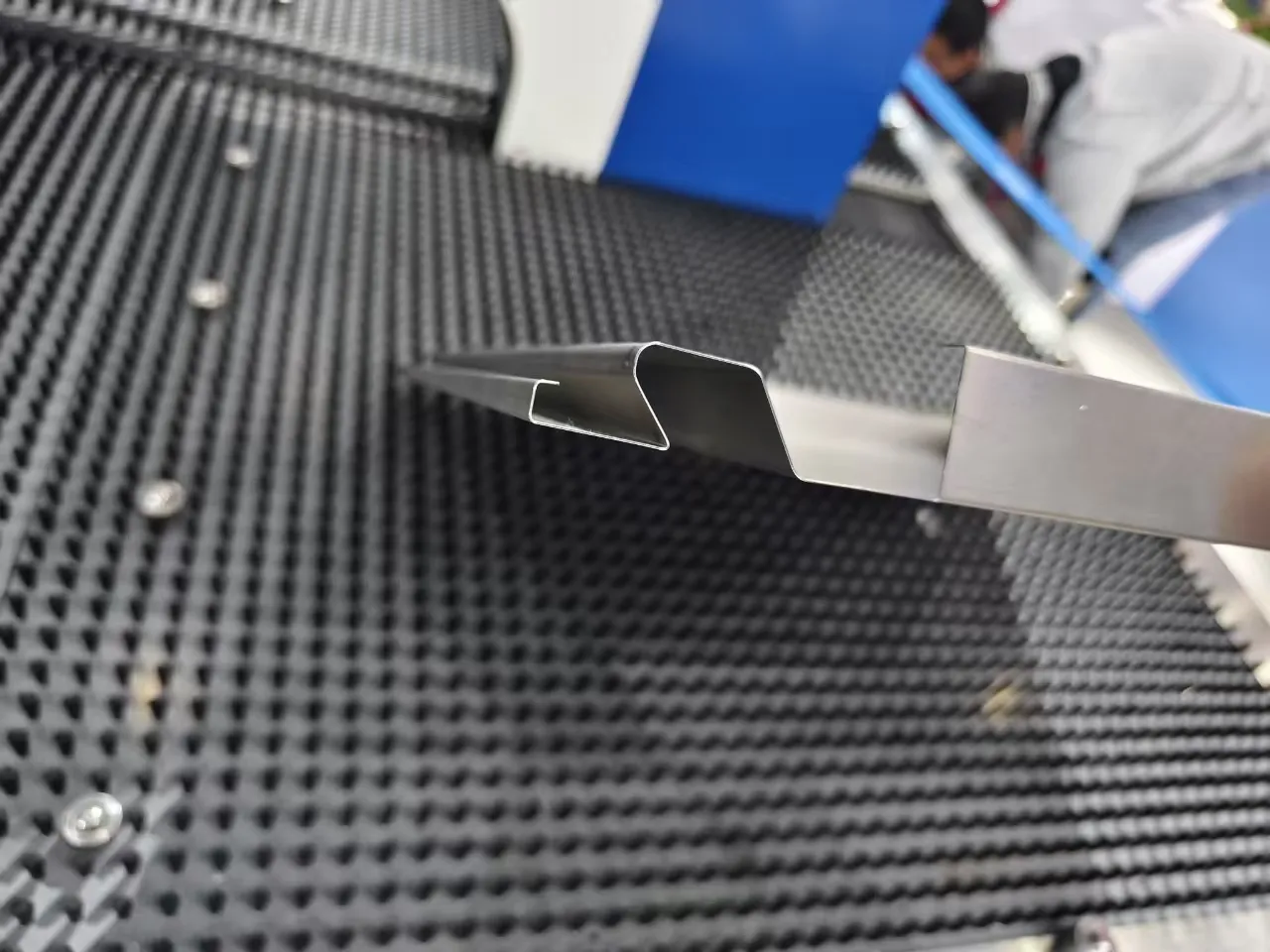
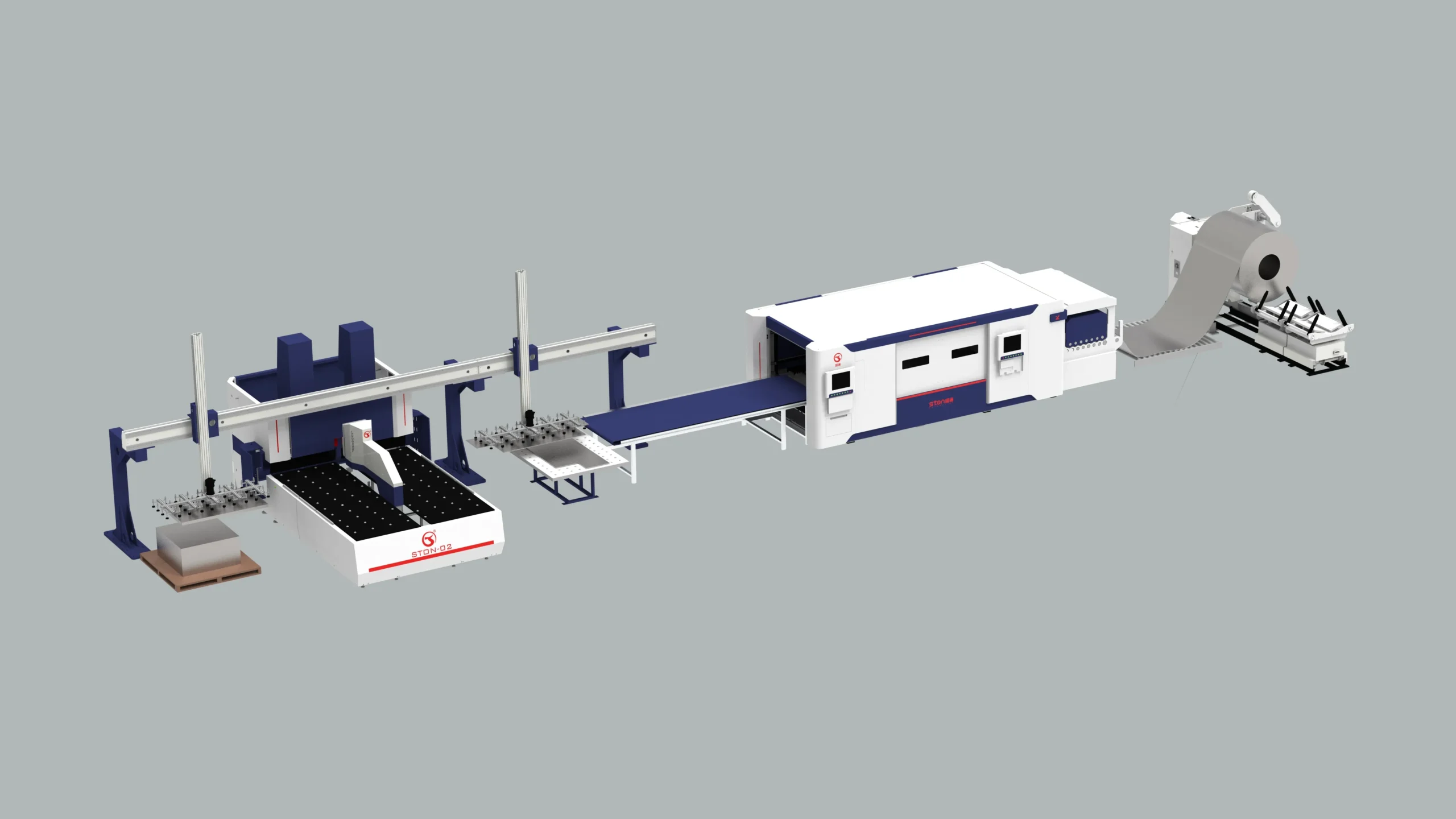
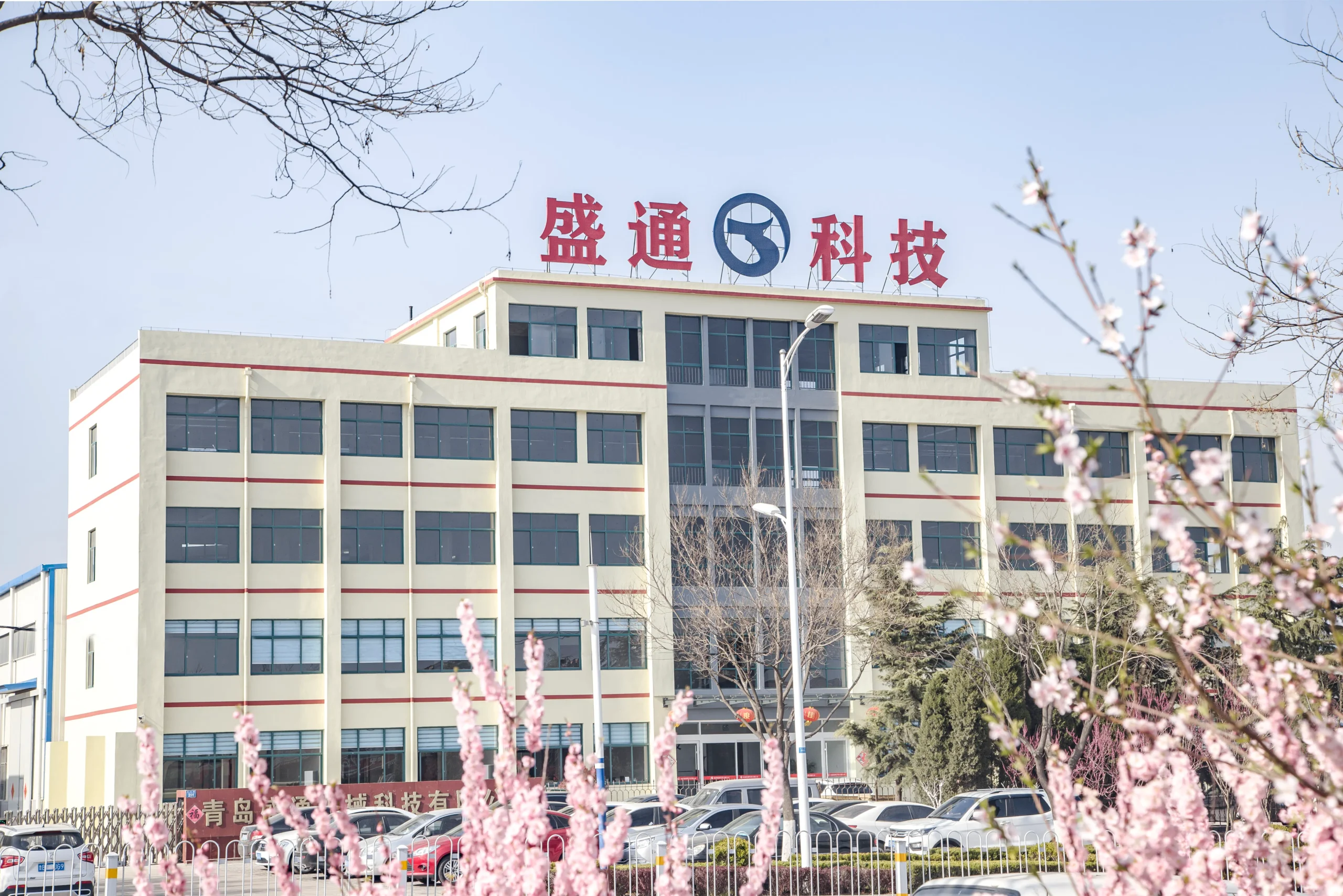
Whether you're upgrading an existing line or starting a new project, STON will customize a CNC solution for your production.