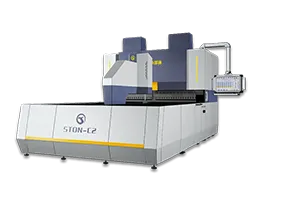
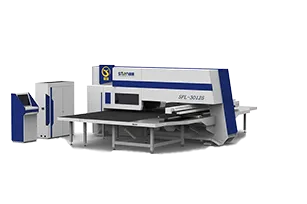
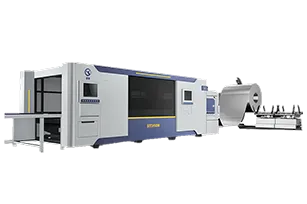
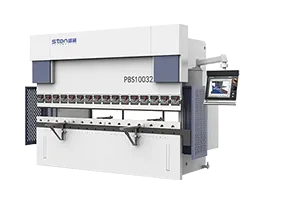
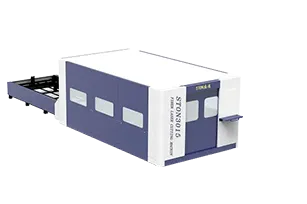
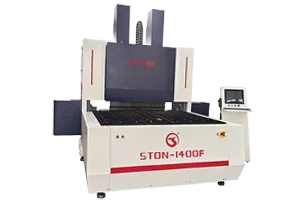
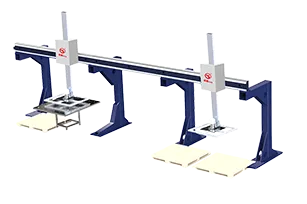
We're responsible for building-----we're responsible for manufacturing-----we're responsible for training

There’s a pressing need for consistent, high-precision manufacturing. Yet achieving quality punches on metal can feel daunting for many shops. If you feel stuck with outdated presses or inconsistent results, consider a better approach. A top-tier sheet metal punch machine offers the solution to keep you competitive.
A sheet metal punch machine is specialized machinery designed to punch, notch, or shape metal with precision and repeatability. By applying significant tonnage to a punch and die, it ensures quick, clean cuts or formed holes through mechanical or hydraulic force, accommodating a variety of materials with ease.

A punch machine for sheet metal is exactly what it sounds like—a machine that uses a punch to create holes, slots, and features in flat sheet material. When we talk about punching thick material or working with different materials, a robust setup is crucial. At its core, it involves using a punch pressed against a female die, resulting in a blank or hole. That straightforward concept, however, has endless applications in metal fabrication.
Here at STON, a Sheet-Metal Automation & CNC Fabrication Equipment Manufacturer (OEM/ODM, Factory-Direct), we often see customers in metalworking industries—sheet-metal job shops, HVAC duct producers, and mechanical punch presses users—looking for a more cost-effective and reliable punch machine. We believe the right machine can transform a shop’s productivity, especially if you need high precision and repeatability at scale.
This sort of machine solves the challenge of achieving consistent hole punching and forming operations quickly. Rather than manually drilling or performing numerous steps, a punch is both faster and more accurate, lowering labor costs. By leveraging either hydraulic or mechanical drives— and sometimes even electric servo power— engineers get consistent stroke depth and desired stroke speeds with minimal setup time.
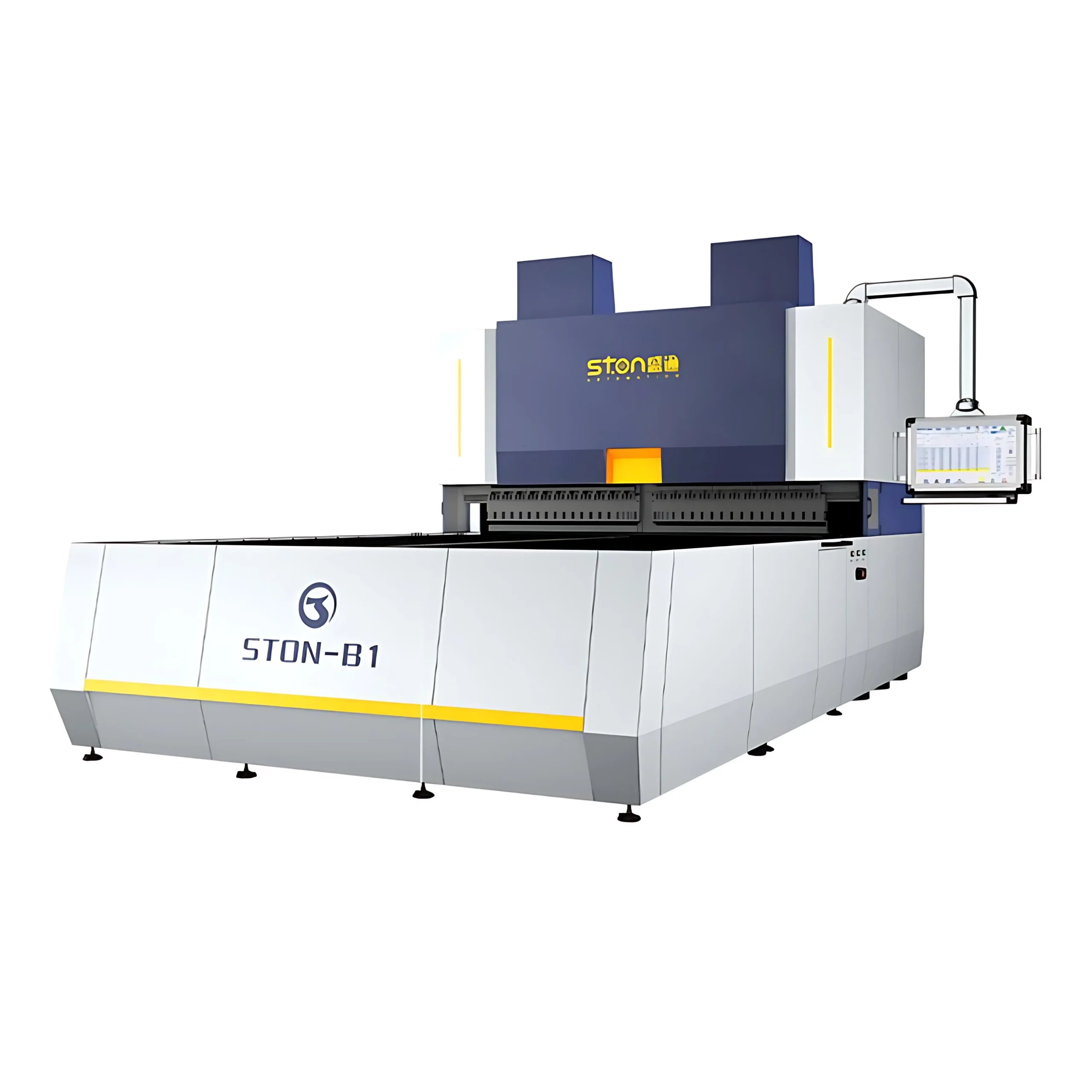
Automatic punching machines are designed for high efficiency, helping you reduce manual intervention. With a punch machine that includes automation features, you can handle batch runs of sheet metal parts swiftly, repeating each punching operation with minimal downtime. This is particularly beneficial for punching thick material or for repetitive tasks that demand precision and repeatability.
STON builds solutions with advanced management software and material handling add-ons. For instance, automatic feeders and repositioning clamp systems manage the workpiece so the operator only needs to oversee the process and check for part quality. This means you can nibble around complex contours, punch knockout holes for things like conduit openings, or even form a louver in the same run— all with minimal manual adjustment.
Ultimately, automatic punching machines let shops handle bigger workloads, maintain better job flow, and reduce downtime.
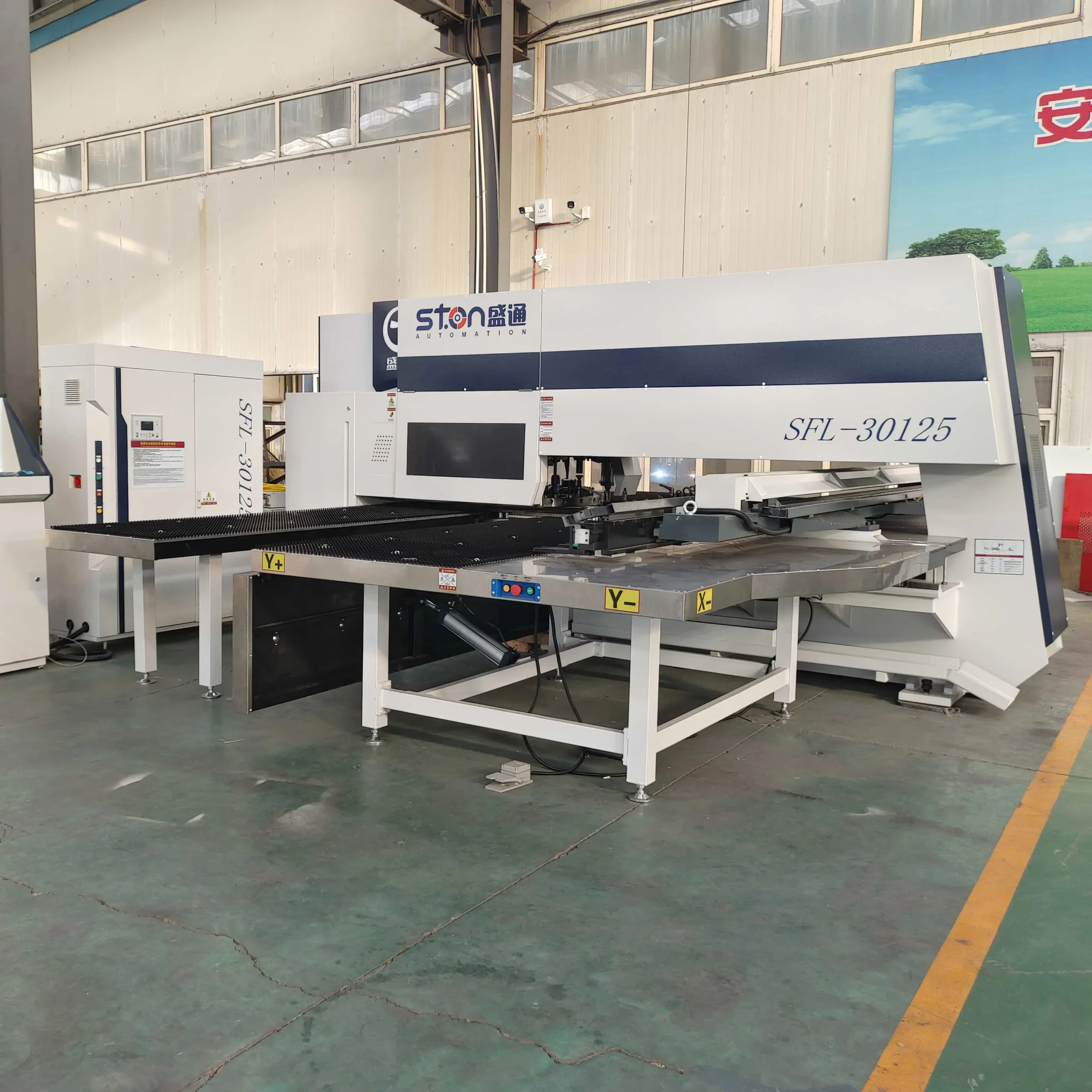
A sheet metal punch requires a proper punching tool arrangement to handle metal you are punching. Typically, that includes a punch and a female die . The alignment, lubrication, and careful monitoring of material thickness matter when forming consistent holes.
Common Tools in Punch Operations
Having the right tool for each job ensures high-quality edges and minimal deburring. Combined with a quality press machine, you can maintain consistent output and enhance productivity.
Selecting the ideal sheet metal punch machine and press depends on factors like material thickness, the metal you are punching, production volumes, and desired tolerances. Another big consideration is whether you’ll go hydraulically driven or servo driven. The best approach balances speed, control, and cost-effective ownership.
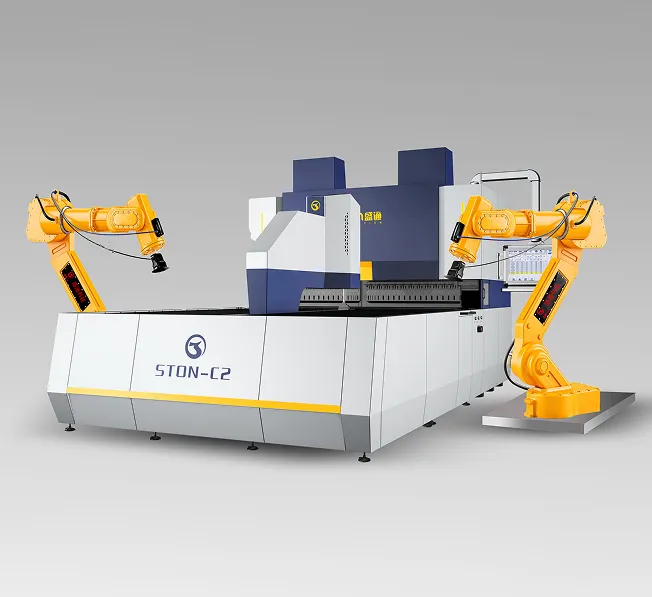
For instance, STON has specialized lines that incorporate machines are designed for large panels, off-size cabinets, or even door & frame segments. With advanced management software, these solutions let you coordinate multiple runs, store job setups, and install region-specific safety features.
After purchasing the machine, do you provide installation, commissioning, and operator training?
Yes, we offer a one-stop service: “on-site installation + commissioning + customized training.” Professional engineers will visit the customer’s site to complete production line assembly and equipment integration commissioning to ensure the line reaches its designed capacity. We also provide theoretical and practical training for operators (6-8 days), covering equipment operation, routine maintenance, and troubleshooting. After the training, we provide an operator manual and video tutorials.
Can you provide customized solutions for special needs?
Customized services are available. We will optimize the machine structure based on the customer’s workshop space, load capacity, and processing requirements. While ensuring processing accuracy, we adapt the machine to the shop’s existing power and air supply conditions to ensure smooth installation and efficient operation.
What is your after-sales response time in the event of a malfunction? How do you provide technical support?
We have established a 24-hour global after-sales response mechanism: Customers can submit troubleshooting reports via phone, email, or online customer service, and a preliminary solution will be provided within 1 hour. If remote debugging is required, an engineer will provide video guidance within 2 hours. For hardware repairs, domestic customers will receive a visit within 48 hours, while overseas customers can use authorized service centers or expedited delivery of parts (with installation instructions) to ensure a quick resolution.
What is the warranty period for your various sheet metal processing equipment? What does the warranty cover?
All of our standard equipment (flexible bending centers, CNC turret punch presses, press brakes, and punching and shearing machines) comes with a one-year free warranty. For some products with higher system complexity, the warranty period can be extended to 18 months. The warranty covers repair and replacement of quality issues with core components (such as servo motors, CNC systems, and guide rails), as well as free on-site inspections during the warranty period. Please note that equipment failures caused by human error, force majeure (such as floods and earthquakes), or failure to follow the maintenance manual are not covered by the free warranty, but paid repair services are available.
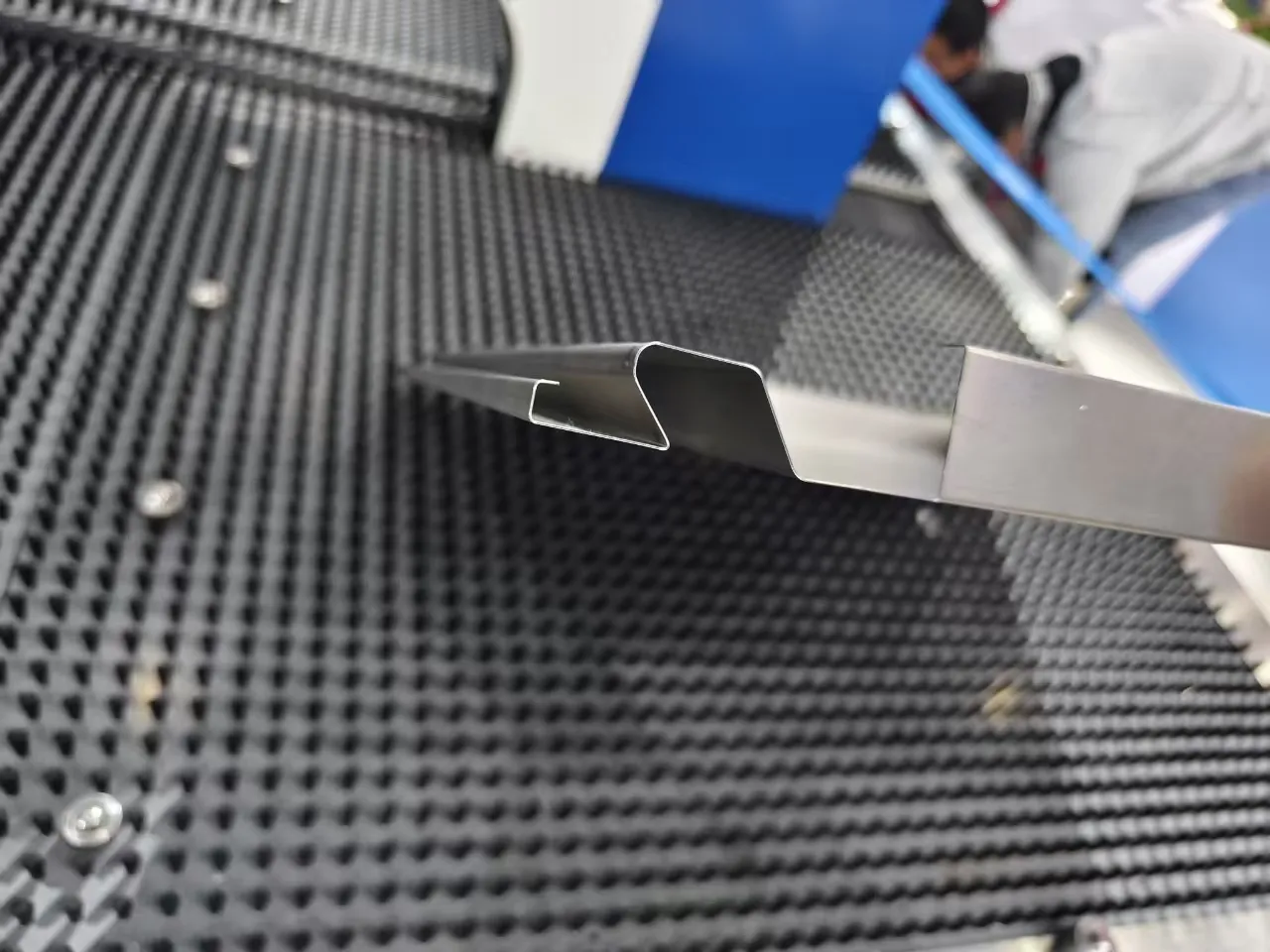
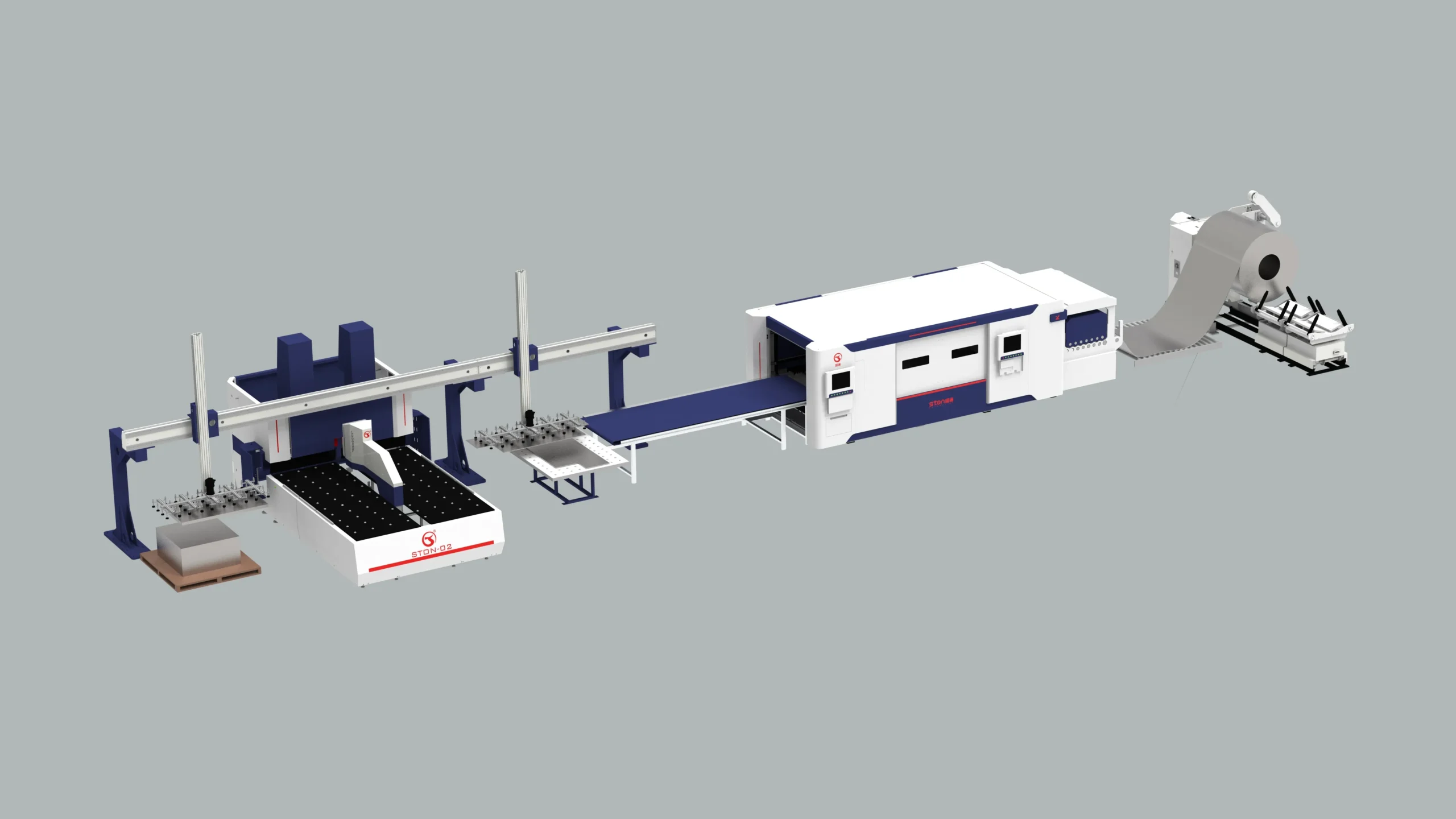
Whether you're upgrading an existing line or starting a new project, STON will customize a CNC solution for your production.