Somos responsables de la construcción-----somos responsables de la fabricación-----somos responsables de la formación

Sheet metal fabrication is the core manufacturing process used to transform flat metal sheets into functional components through cutting, bending, punching, forming, and assembly. It plays a critical role in industries that require structural accuracy, repeatable quality, and scalable production capacity. Our sheet metal fabrication solutions are designed for manufacturers, OEM partners, and fabrication workshops seeking stable and efficient CNC metal manufacturing systems. By integrating laser cutting, sheet metal bending, punching, and automation technologies, we help factories build reliable fabrication workflows that support both customized orders and batch production.
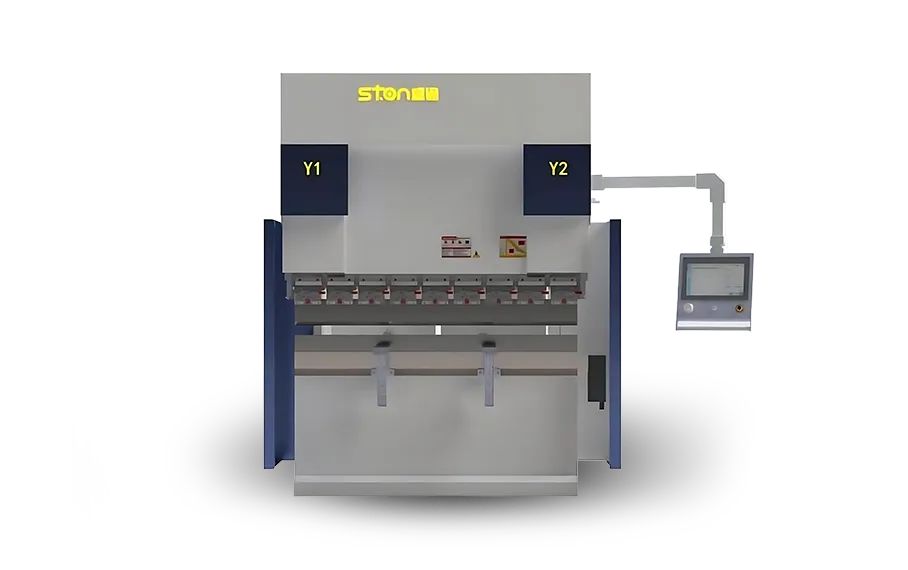
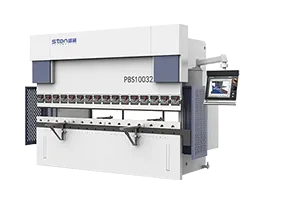
| No. | Nombre | 63/1500 | 63/2100 | 63/2550 | 100/3200 | 100/4100 | 150/3200 | 150/4100 | 220/3200 | 220/4100 | 250/3200 | 250/4100 | 320/3200 | 320/4100 | Unidad | |
| 1 | Presión nominal | 630 | 630 | 630 | 1000 | 1000 | 1500 | 1500 | 2200 | 2200 | 2500 | 2500 | 3200 | 3200 | KN | |
| 2 | Longitud de plegado | 1500 | 2100 | 2550 | 3200 | 4100 | 3200 | 4100 | 3200 | 4100 | 3200 | 4100 | 3200 | 4100 | MM | |
| 3 | Espaciado entre columnas | 1200 | 1600 | 2050 | 2700 | 3600 | 2700 | 3600 | 2700 | 3600 | 2700 | 3600 | 2700 | 3600 | MM | |
| 4 | Carrera del cilindro | 215 | 215 | 215 | 215 | 215 | 215 | 215 | 215 | 215 | 225 | 225 | 315 | 315 | MM | |
| 5 | Altura de apertura | 580 | 580 | 580 | 580 | 580 | 580 | 580 | 580 | 580 | 580 | 580 | 680 | 680 | MM | |
| 6 | Profundidad de la garganta | 350 | 350 | 350 | 390 | 390 | 405 | 405 | 405 | 405 | 405 | 405 | 405 | 405 | MM | |
| 7 | Velocidad de desplazamiento del control deslizante | Rápido, ¡bájate! | 185 | 185 | 185 | 220 | 220 | 180 | 180 | 160 | 160 | 150 | 150 | 130 | 130 | MM/S |
| 8 | Avance de los trabajos | 19 | 19 | 19 | 17 | 17 | 14 | 14 | 12 | 12 | 10 | 10 | 9.5 | 9.5 | MM/S | |
| 9 | Volver | 180 | 180 | 180 | 210 | 180 | 180 | 170 | 160 | 150 | 150 | 140 | 120 | 110 | MM/S | |
| 10 | Recorrido del eje X | 500 | 500 | 500 | 500 | 500 | 500 | 500 | 500 | 500 | 500 | 500 | 500 | 500 | 500 | |
| 11 | Recorrido del eje R | 200 | 200 | 200 | 200 | 200 | 200 | 200 | 200 | 200 | 200 | 200 | 200 | 200 | 200 | |
| 12 | Velocidad del eje X | 400 | 400 | 400 | 400 | 400 | 400 | 400 | 400 | 400 | 400 | 400 | 400 | 400 | 400 | |
| 13 | Velocidad del eje R | 200 | 200 | 200 | 200 | 200 | 200 | 200 | 200 | 200 | 200 | 200 | 200 | 200 | 200 | |
| 14 | Potencia del motor principal | 8.7 | 8.7 | 8.7 | 10.8 | 10.8 | 13.2 | 13.2 | 16.7 | 16.7 | 16.7 | 16.7 | 22 | 22 | KW | |
| 15 | Volumen de aceite hidráulico | 130 | 180 | 200 | 300 | 400 | 300 | 400 | 300 | 400 | 300 | 400 | 400 | 500 | L | |
| 16 | Dimensiones (L × An × Al) | 2000/1620/2470 | 2600/1620/2470 | 3150/1620/2470 | 3720/1720/2550 | 4620/1720/2550 | 3780/1730/2600 | 4680/1730/2600 | 3830/1800/2670 | 4730/1800/2670 | 3830/1800/2670 | 4730/1800/2670 | 3880/2100/3250 | 4760/2100/3250 | MM | |
| 17 | Espesor de la máquina herramienta (placa vertical, carro, mesa de trabajo) | 40/50/60 | 40/50/60 | 40/50/60 | 50/60/80 | 50/70/90 | 60/70/90 | 60/80/100 | 70/80/100 | 70/90/110 | 70/80/100 | 70/90/110 | 80/90/110 | 80/100/120 | MM | |
| 18 | Diámetro interior del cilindro | 115 | 115 | 115 | 150 | 150 | 180 | 180 | 220 | 220 | 230 | 230 | 270 | 270 | MM | |
| 19 | Diámetro del vástago del cilindro | 110 | 110 | 110 | 145 | 145 | 173 | 173 | 210 | 210 | 220 | 220 | 260 | 260 | MM | |
| 20 | Peso de la máquina | 4500 | 5000 | 6000 | 8500 | 10500 | 9200 | 11600 | 11000 | 13200 | 11000 | 13200 | 16800 | 19000 | kg | |
| 21 | Caudal de la bomba de aceite | 16 | 16 | 16 | 20 | 20 | 25 | 25 | 32 | 32 | 32 | 32 | 40 | 40 | L | |
Our sheet metal fabrication systems are engineered to perform reliably in real production environments. Each fabrication process is configured to balance accuracy, efficiency, and flexibility, allowing manufacturers to handle different materials, thickness ranges, and product designs without compromising quality.
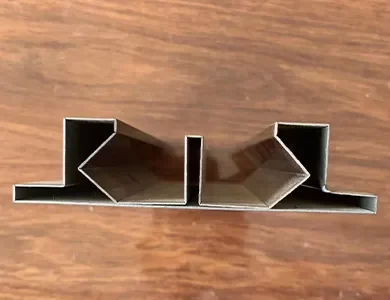
Procesamiento de precisión
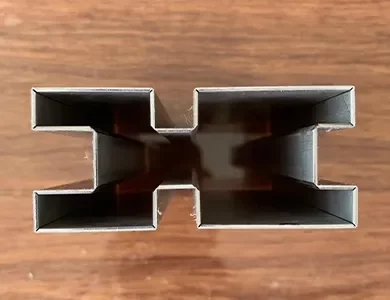
Flujo automatizado
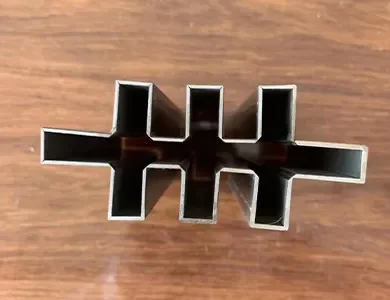
Configuración flexible
Características principales
Cutting, bending, punching, and forming are organized into a coordinated workflow to reduce handling time and process errors.

CNC-controlled fabrication ensures repeatable dimensions and forming accuracy across different production batches.
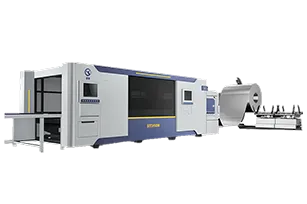
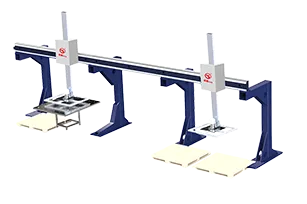
Sheet metal fabrication equipment can be integrated with loading, unloading, and transfer systems to support continuous production.
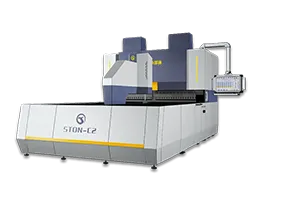
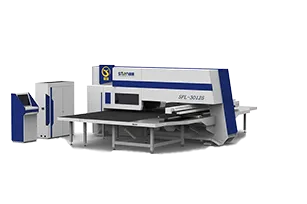
Fabrication systems can be built around laser cutting machines, press brakes, panel benders, and turret punch presses based on application needs.
Automation and CNC control help minimize manual intervention while maintaining stable output quality.
The fabrication system supports future expansion, allowing manufacturers to increase capacity without redesigning the entire workflow.
Fabrication quality directly affects product fit, assembly efficiency, and overall manufacturing cost. Inconsistent cutting or bending can lead to rework, misalignment, and longer assembly time—especially in cabinet, enclosure, and structural component production. A reliable sheet metal fabrication solution focuses on stable processing at every stage, from precise cutting to consistent forming. This ensures clean edges, accurate bends, and repeatable part quality, helping manufacturers maintain predictable production output and meet OEM quality standards.
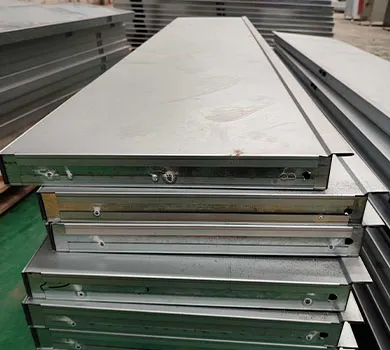
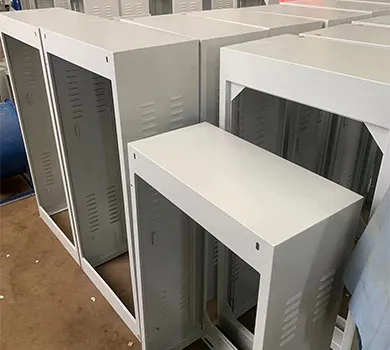
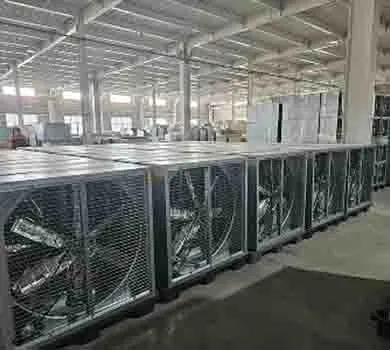
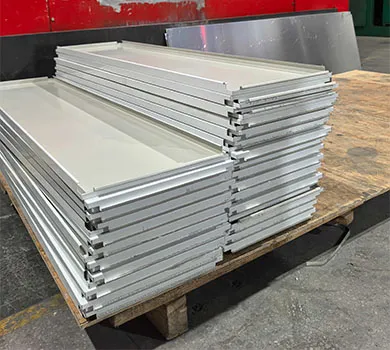
A complete sheet metal fabrication solution is not defined by a single machine, but by how multiple systems work together in a stable and coordinated manufacturing process. From cutting and bending to forming and automation, each system plays a critical role in maintaining accuracy, efficiency, and production consistency.
Our fabrication systems are designed and configured in-house to ensure seamless integration between structural design, processing units, CNC control, and safety management. This system-based approach allows manufacturers to build reliable sheet metal production lines that support continuous operation, flexible product changeover, and long-term manufacturing stability.
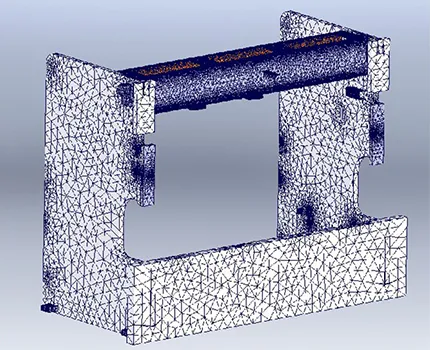
The structural design of fabrication equipment provides rigidity and long-term stability, reducing vibration and deformation during continuous operation.
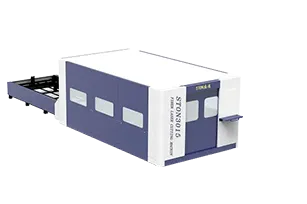
Laser cutting systems deliver clean edges and accurate contours, forming the foundation of precise sheet metal fabrication.
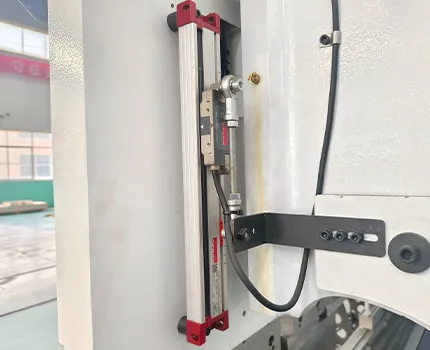
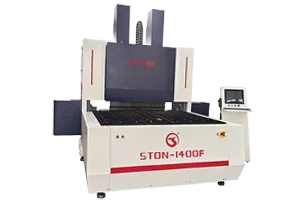
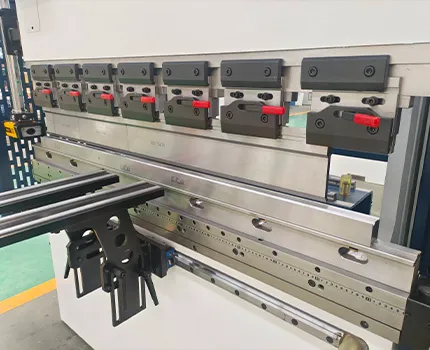
Sheet metal bending systems, including press brakes and panel benders, ensure accurate angles and consistent forming results.
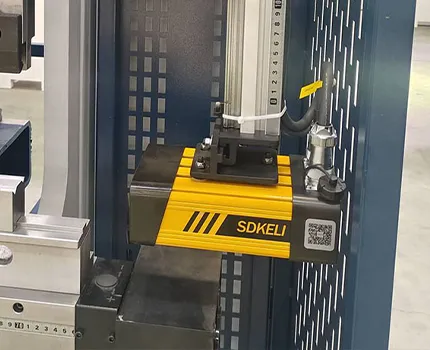
Punching systems support hole making and forming operations required for complex sheet metal components.
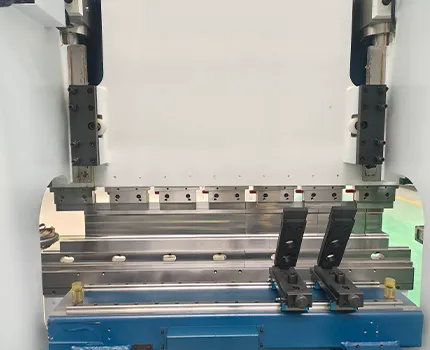
Centralized CNC control coordinates each fabrication step, improving process consistency and supporting automated production flow.
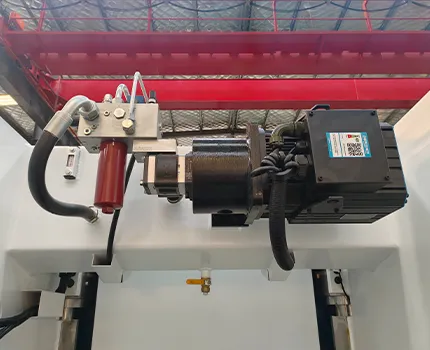
Integrated safety features and maintenance-friendly layouts support stable operation, operator protection, and long service life.
Creemos en el establecimiento de relaciones sólidas y transparentes con nuestros clientes. Por eso invitamos a nuestros socios a visitar nuestras vanguardistas instalaciones de fabricación y ver de cerca nuestro proceso de producción.
 Anthony
Gerente de Adquisiciones, Climatización
Fábrica de componentes (Alemania)
 Jeffrey
Propietario de una fábrica de utensilios de cocina de acero inoxidable
Fabricante (EE. UU.)
 Jared
Jared– Director de Operaciones, Cuadros Eléctricos
Fábrica (Canadá)
Sheet metal fabrication is the manufacturing process of transforming flat metal sheets into finished parts through cutting, bending, punching, forming, and assembly using CNC equipment.
Typical processes include laser cutting, sheet metal bending, punching, forming, and secondary operations such as welding or assembly.
Common equipment includes CNC laser cutting machines, press brakes, panel benders, turret punch presses, and automated handling systems.
Automation improves consistency, reduces manual errors, increases production efficiency, and supports scalable manufacturing for OEM and batch production.
Which industries use sheet metal fabrication solutions?
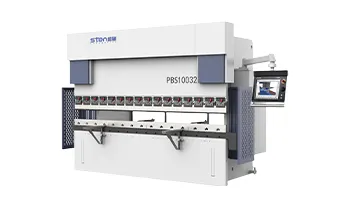
Tanto si está actualizando una línea existente como si está iniciando un nuevo proyecto, STON personalizará una solución CNC para su producción.