Somos responsables de la construcción-----somos responsables de la fabricación-----somos responsables de la formación

In modern sheet metal fabrication, bending is no longer just one step in the process. It directly affects speed, labor cost, part quality, and how easily your factory can scale. If you are choosing between a CNC panel bender and a CNC press brake, the right answer depends on your product structure, batch size, and production goals.
Both machines belong to the world of sheet metal bending, but they solve different problems. A panel bending machine is designed for high-efficiency, automated folding of sheet metal panels with repeatable results. A cnc press brake or hydraulic press brake is still one of the most practical choices for flexible bending jobs, thicker parts, and mixed production.
The real question is not which one is “better” in general. The real question is which sheet metal bending machine is better for your factory.

Many manufacturers still rely on traditional bending methods that need repeated manual positioning, multiple tool changes, and highly skilled operators. That may work for low-volume or simple parts, but it becomes a bottleneck when production grows.
Today, buyers of metal fabrication equipment are under pressure to improve throughput, reduce labor dependence, and keep part quality stable across every shift. This is why more factories are comparing automatic panel bender systems with sheet metal folding machine and press brake solutions.
If your products include cabinet doors, electrical enclosures, drawer bodies, HVAC panels, server racks, or furniture components, bending efficiency can determine whether your line stays competitive.
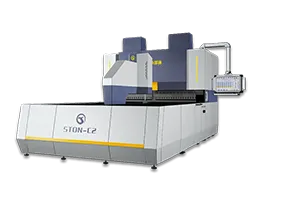
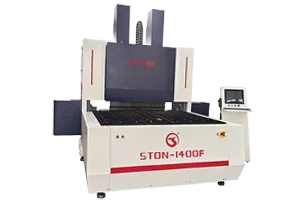
A cnc panel bender is built for automated, repeatable, multi-side bending. In many factories, it becomes the ideal solution for parts that require frequent edge forming, flanges, hems, and consistent angles.
Compared with a conventional metal bending machine, a panel bender reduces manual handling and simplifies the bending sequence. This is especially valuable in cnc sheet metal bending applications where repeatability matters more than operator technique.
For manufacturers focused on cabinets, appliance panels, stainless covers, toolboxes, and similar products, a suction cup type automatic panel bender
can support a more stable production rhythm and a cleaner workflow. It is particularly useful when you want to reduce setup variation between operators.
Another advantage is process consistency. In large-batch production, a panel bender helps standardize sheet metal forming quality, which is critical when parts move later into assembly, welding, or finishing.

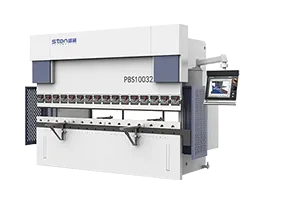
A cnc press brake remains one of the most widely used machines in sheet metal bending service and general fabrication shops. There is a reason for that. It is flexible, proven, and capable of handling many types of bending tasks.
If your factory deals with thick plates, highly varied parts, low-volume custom jobs, or workpieces that do not fit an automatic bending workflow, a hydraulic press brake may still be the better investment. It can also be a practical option when your product mix changes often and you need operators to switch between different bend lengths and shapes throughout the day.
A press brake is also attractive for factories that are still growing into automation. It gives you a solid foundation in sheet metal bending without requiring a full automated cell on day one.
That said, a press brake usually depends more on operator skill, manual positioning, and tooling changes than a sheet metal panel bender. For repetitive panel-type parts, that difference becomes more visible over time.
When choosing between these two types of sheet metal bending machine, look at the production reality in your workshop.
If your business depends on repeated production of doors, covers, box panels, cabinet parts, and enclosure components, the automatic panel bender usually wins on speed, consistency, and labor efficiency. It is designed for smooth, repeatable sheet metal folding machine workflows with less manual intervention.
If you are handling custom fabrication, mixed batches, non-standard bends, or heavier material, the cnc press brake often gives you more flexibility. It is still one of the most important machines in the broader sheet metal manufacturing process because it adapts well to different jobs.
In simple terms, the panel bender is often the better production machine, while the press brake is often the better flexible machine.

Factories producing the following types of products usually see clear benefits from panel bending machine technology:
These applications rely on consistent bends, clean part quality, and efficient throughput. In this environment, cnc sheet metal bending is not only about forming metal. It is about creating predictable downstream production.
Before you choose a machine, evaluate the full process instead of only comparing machine prices.
Look at your main part families. Are they mostly panel-type products? How often do you repeat the same jobs? How much of your production cost comes from operator skill, setup time, and rework? Do you need a standalone machine, or will the equipment later connect to automation?
These questions are important because the best machine is the one that fits your actual process flow.
If your goal is long-term efficiency, it helps to work with a supplier that can support not only the machine itself but also configuration planning, training, and line integration. A strong technical support and custom production line service
partner can help you avoid buying a machine that looks right on paper but does not match your real factory conditions.
There is no universal winner between a CNC panel bender and a cnc press brake. The better choice depends on your products, labor structure, and automation strategy.
If your factory focuses on repeatable panel parts and wants faster, more stable sheet metal fabrication, a panel bending machine is often the smarter step forward. If you need broader flexibility across many job types, a hydraulic press brake or cnc press brake may still be the right fit.
For many growing manufacturers, the smartest path is not choosing one against the other, but building a balanced bending solution that matches real production needs.
Links used in this article:
Dobladora de paneles CNC
CNC Press Brake
Automatic Panel Bender A1/B1
Atención al cliente
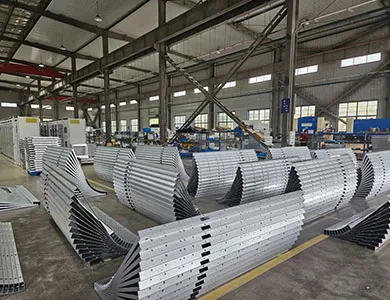
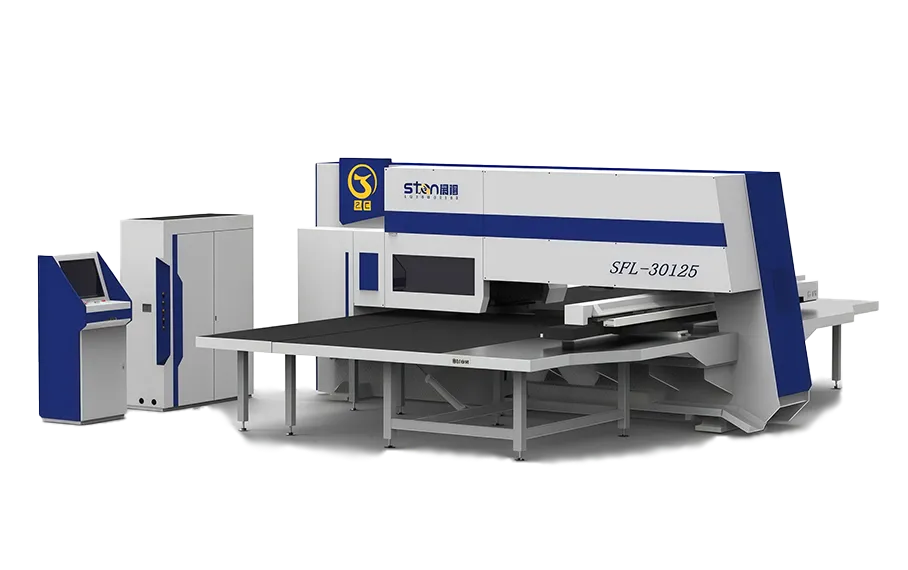
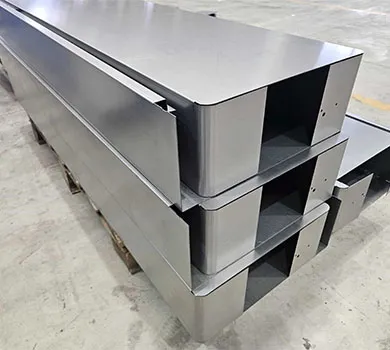
Tanto si está actualizando una línea existente como si está iniciando un nuevo proyecto, STON personalizará una solución CNC para su producción.