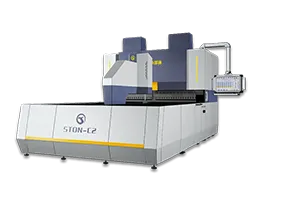
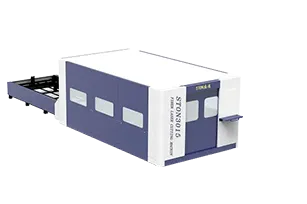
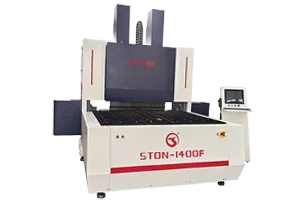
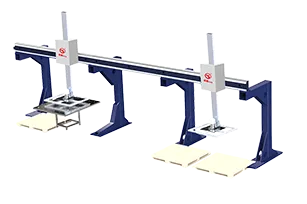
Somos responsables de la construcción-----somos responsables de la fabricación-----somos responsables de la formación

Elegir la máquina punzonadora incorrecta puede aumentar el costo de herramientas, ralentizar la producción y limitar la automatización futura. Esta guía ayuda a los compradores a entender claramente el punzonado con torreta CNC.
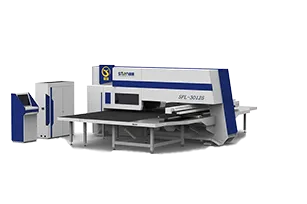
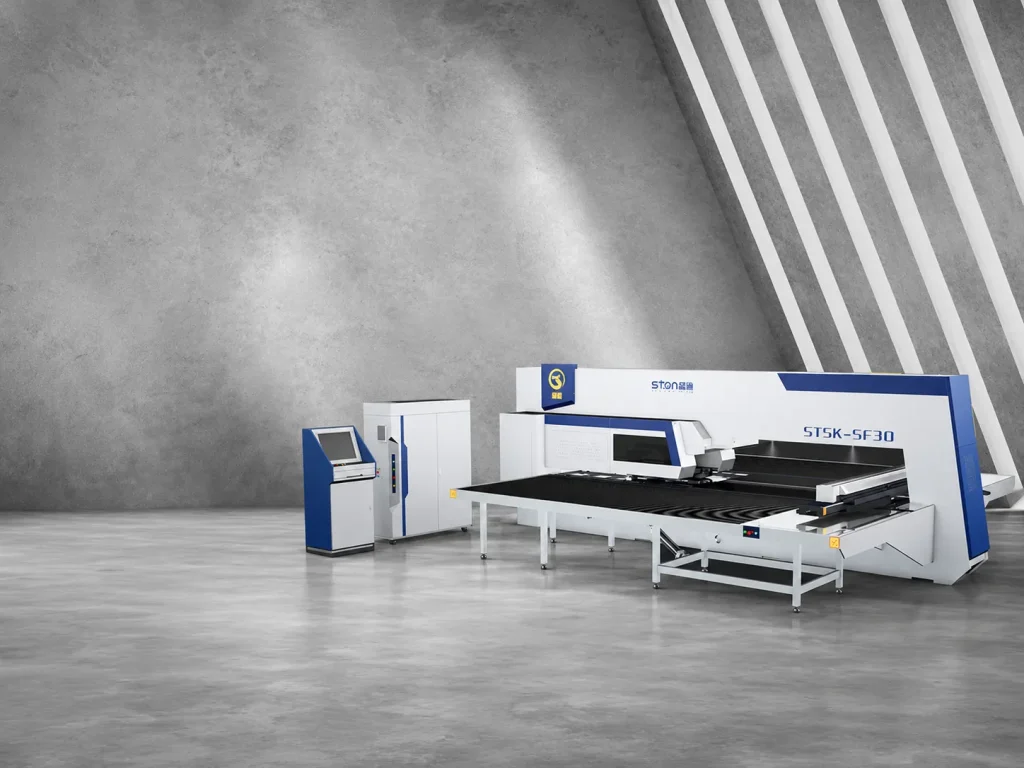
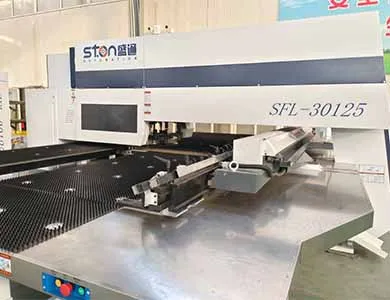
Una máquina punzonadora de torreta CNC es una máquina punzonadora de chapa metálica que utiliza control CNC y un sistema de herramientas de torreta giratoria para punzonar agujeros, ranuras, persianas, formas y patrones repetidos en láminas metálicas. Se utiliza ampliamente en gabinetes, paneles HVAC, recintos, cubiertas de maquinaria y producción por lotes de chapa metálica.
Una máquina punzonadora de torreta CNC es más que una simple máquina punzonadora de metal. Es una máquina CNC de chapa metálica flexible para fábricas que necesitan procesamiento estable de agujeros, formado y producción repetida de piezas. Para compradores B2B en el extranjero, la pregunta clave no es solo cómo funciona la máquina. La pregunta real es si este equipo se ajusta a sus piezas, espesor de material, volumen de producción, plan de herramientas y necesidades futuras de automatización de chapa metálica.
Muchos compradores necesitan punzonado de chapa metálica, pero puede que no sepan si una prensa punzonadora CNC, prensa punzonadora de torreta o máquina de corte láser es la mejor opción.
Una máquina punzonadora CNC de torreta es una prensa punzonadora CNC con una torreta giratoria que aloja diferentes herramientas de punzonado. Procesa láminas metálicas seleccionando herramientas automáticamente y punzonando orificios, ranuras, formas y patrones programados.
Una máquina punzonadora CNC de torreta pertenece a la categoría más amplia de prensas punzonadoras. También se denomina comúnmente prensa punzonadora de torreta, prensa punzonadora CNC, prensa de torreta CNC o máquina punzonadora de chapa metálica. La máquina utiliza un sistema de control CNC para mover la lámina metálica y seleccionar la herramienta de punzonado correcta de la torreta. Esto permite que el equipo complete diferentes operaciones de punzonado sin cambiar toda la configuración cada vez.
Para las fábricas de fabricación de chapa metálica, esta máquina es útil porque muchas piezas necesitan orificios repetidos y características conformadas. Los paneles de armarios eléctricos pueden necesitar orificios para cables, orificios de montaje, ranuras de ventilación y perforaciones removibles. Los paneles de HVAC pueden necesitar rejillas y orificios de flujo de aire. Las piezas de muebles metálicos pueden necesitar ranuras repetidas y orificios de conexión. Los gabinetes industriales pueden necesitar aberturas precisas para interruptores, cerraduras y componentes de control.

El valor de una máquina punzonadora CNC de torreta proviene de su flexibilidad. Una fábrica puede colocar múltiples herramientas en la torreta. Estas herramientas pueden incluir punzones redondos, punzones cuadrados, punzones rectangulares, herramientas de rejilla, herramientas de estampado en relieve y herramientas de conformado. La máquina puede seleccionar estas herramientas según el programa CNC. Esto ayuda a los compradores a procesar diferentes componentes de chapa metálica con menos trabajo manual.
Una máquina punzonadora CNC de torreta es especialmente adecuada para producción media y por lotes donde las piezas tienen muchos orificios o características repetidas. También puede ayudar a reducir el marcado manual, el taladrado y el trabajo de conformado separado. Para los compradores B2B, esto significa mejor control del proceso, menos pasos manuales y mayor consistencia estable de las piezas.
STON CNC focuses on CNC sheet metal machinery and sheet metal automation solutions. When we discuss a CNC turret punching machine, we usually look at the full production process, not only the machine body. Buyers should consider material, part drawings, tooling needs, feeding method, loading and unloading, and future automation before choosing a machine.
Some buyers hear the word “turret” but do not know why it matters. Without understanding the turret, they may underestimate tooling flexibility.
The turret is the rotating tool station inside a CNC turret punching machine. It holds multiple punch and die sets, so the machine can choose different tools automatically during sheet metal punching.
The turret is one of the most important parts of a CNC turret punching machine. It works like a tool storage and tool selection system. The turret holds different punching tools and dies. When the CNC program requires a specific hole or form, the turret rotates to bring the correct tool into the punching position.
Esta estructura le da a la máquina una gran flexibilidad. En el punzonado tradicional, los operadores pueden necesitar detener la máquina y cambiar las herramientas manualmente para diferentes formas de agujeros. Con una punzonadora de torreta, la máquina puede usar múltiples herramientas en un solo programa. Esto reduce el tiempo de preparación y ayuda a los equipos de producción a manejar diferentes características de piezas con un flujo de trabajo más fluido.
La torreta puede alojar herramientas para diferentes trabajos. Una herramienta redonda puede punzonar agujeros circulares. Una herramienta rectangular puede punzonar ranuras largas. Una herramienta cuadrada puede crear agujeros cuadrados. Una herramienta de rejilla puede formar aberturas de ventilación. Una herramienta de estampado en relieve puede crear marcas o formas en relieve. Herramientas especiales pueden soportar avellanado, troquelado y pequeñas funciones de conformado cuando la configuración de la máquina y las herramientas lo permiten.
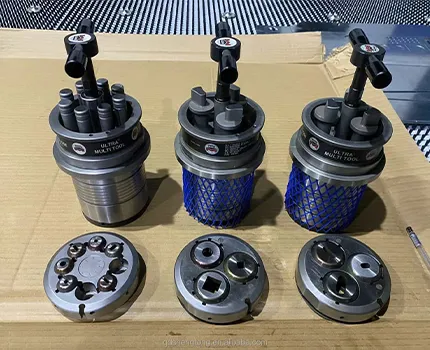
Para los compradores B2B, el diseño de la torreta afecta la flexibilidad de producción. Una fábrica que fabrica solo una pieza sencilla puede no necesitar muchas estaciones de herramientas. Una fábrica que fabrica gabinetes eléctricos, carcasas metálicas, paneles de HVAC y componentes de chapa metálica personalizados puede necesitar más opciones de herramientas. El comprador debe revisar los planos del producto antes de decidir la disposición de las herramientas.
La torreta también afecta el costo de las herramientas y la planificación del mantenimiento. Los compradores no deben preguntar solo cuántas herramientas puede alojar la máquina. También deben preguntar qué tamaños de herramientas se necesitan, qué herramientas de conformado son prácticas, con qué frecuencia deben reemplazarse las herramientas y si las herramientas de repuesto son fáciles de conseguir.
Una buena configuración de torreta puede reducir las paradas de producción y mejorar el uso de la máquina. Un plan de herramientas deficiente puede hacer que incluso una buena punzonadora CNC sea ineficiente. Por eso los compradores deben compartir los planos, el grosor del material y piezas de muestra antes de finalizar la configuración de la punzonadora de torreta.
A CNC turret punching machine may look complex, but its working process is clear when buyers break it into simple steps.
A CNC turret punching machine works by clamping the sheet, moving it by CNC control, selecting tools from the turret, punching the programmed features, and repeating the process until the part is finished.
The working process starts with part programming. The operator or engineer prepares a CNC program based on the sheet metal drawing. The program defines hole positions, tool selection, punching sequence, sheet movement, and processing path. The program must match the material, sheet size, tool layout, and part design.
After programming, the metal sheet is loaded onto the machine table. The clamps hold the sheet firmly. The CNC system controls the sheet movement along the working area. The machine moves the sheet to the correct position for each punching operation.
When the program calls for a specific shape, the turret rotates and brings the required tool into the punching position. The punch then presses through the sheet into the die. This creates a hole, slot, form, or punched feature. The machine repeats this process until all programmed features are completed.
The machine can process different features in one sheet. For example, it may punch round holes first, then slots, then louvers, then corner notches. This saves time compared with separate manual processes. It also improves consistency because the CNC system controls positioning.
For sheet metal manufacturers, punching order matters. A poor punching sequence can increase sheet deformation, reduce accuracy, or make unloading harder. A good program helps protect part quality and improve production efficiency. This is why operator training and supplier support are important.
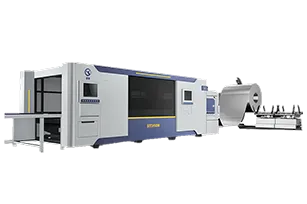
A CNC turret punching machine can also be part of a larger sheet metal automation system. Some buyers may add automatic loading, unloading, sorting, or stacking systems. Others may combine punching with laser cutting, panel bending, or press brake bending in the full production flow.
The machine does not replace every process. It is strong in punching and forming features. It is not the best solution for every complex contour. Buyers should compare turret punching with laser cutting when the part has many irregular profiles. If the product requires both punching and cutting, buyers may need a combined process or a full production line plan.
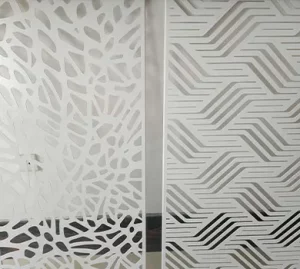
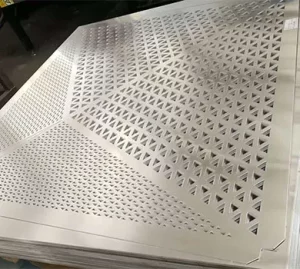
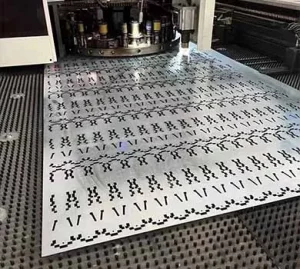
Factories may buy punching equipment for one product, but future orders often require more part types. A turret punch machine supports flexible sheet metal work.
A turret punch machine is used for punching holes, slots, louvers, knockouts, embossed features, and repeated patterns on metal sheets. It is common in cabinets, enclosures, HVAC panels, metal furniture, and machinery covers.
A turret punch machine is widely used in sheet metal fabrication because many industrial products need repeated holes and forms. It is not only used to punch simple round holes. It can also process many functional features that support assembly, ventilation, wiring, installation, and product appearance.
Electrical cabinet manufacturers often use turret punching for door panels, side panels, back plates, and mounting plates. These parts may need cable holes, switch holes, lock holes, hinge holes, ventilation patterns, and installation slots. A CNC turret press can process these features with stable positioning, which helps later assembly.
HVAC and ventilation equipment manufacturers may use a turret punch press for louvers, perforated panels, air inlet plates, and fan covers. These parts often need repeated hole patterns. Manual processing is slow and hard to keep consistent. CNC punching helps control pattern spacing and part repeatability.
Metal furniture and shelving manufacturers may use a sheet metal punching machine for connection holes, slots, decorative patterns, and assembly points. Industrial enclosure manufacturers may use it for control panels, switch boxes, machine guards, and equipment covers.
The machine also supports sheet metal stamping and light forming when the correct tools are used. It can create small raised forms, countersink-like shapes, knockouts, and embossed marks. This makes it useful when buyers need more than flat cutting.
| Application Area | Common Features Processed |
|---|---|
| Electrical cabinets | Cable holes, switch holes, ventilation slots, mounting holes |
| HVAC panels | Louvers, airflow holes, perforated patterns |
| Metal furniture | Slots, connection holes, decorative patterns |
| Industrial enclosures | Openings, knockouts, panel holes |
| Cubiertas de maquinaria | Orificios de montaje, etiquetas, características conformadas |
| Piezas de electrodomésticos | Orificios repetidos, pequeñas formas, características de ensamblaje |
Para compradores B2B, la aplicación debe determinar la configuración de la máquina. Una fábrica que produce paneles de gabinetes puede necesitar muchas herramientas de punzonado y conformado. Una fábrica de paneles de ventilación puede necesitar procesamiento de alta eficiencia para rejillas y perforaciones. Un taller general de chapa metálica puede necesitar mayor flexibilidad de herramientas para pedidos mixtos.
STON CNC puede ayudar a los compradores a revisar los planos de las piezas y los objetivos de producción antes de seleccionar una prensa punzonadora de torreta. Esto es importante porque la mejor máquina no siempre es la máquina más grande. La mejor máquina es la que se ajusta al material del comprador, la estructura del producto, el objetivo de producción y el plan de automatización.
Muchos compradores comparan el punzonado y el corte láser, pero una comparación equivocada puede conducir a una inversión equivocada. Estas máquinas resuelven problemas diferentes.
Una máquina punzonadora de torreta es mejor para orificios repetidos, persianas y características conformadas. Una máquina de corte láser es mejor para contornos flexibles, perfiles complejos y trabajos de corte sin herramientas de punzonado.
Una máquina punzonadora de torreta y una máquina de corte láser CNC son ambas equipos importantes de fabricación de metal. Ambas pueden procesar chapa metálica, pero sus principios de funcionamiento y casos de mejor uso son diferentes.
A turret punch machine uses physical punch tools to press through the metal sheet. It is strong for holes, slots, louvers, knockouts, embossing, and repeated patterns. It can create formed features that a standard laser cutting machine cannot make. This makes it valuable for electrical cabinets, HVAC panels, metal furniture, and industrial enclosures.
A laser cutting machine for metal uses a laser beam to cut the sheet. It does not need punching tools for each shape. It is strong for complex outlines, curved profiles, nested cutting patterns, and small-batch parts with changing shapes. It is also useful when buyers need flexible cutting without making new punch tools.
| Comparison Item | Turret Punch Machine | Laser Cutting Machine |
|---|---|---|
| Main process | Punching and forming | Cutting and profiling |
| Tooling | Requires punch tools | No punch tooling needed |
| Best features | Holes, louvers, embossing, knockouts | Complex shapes and contours |
| Forming ability | Strong with proper tools | Limited for forming |
| Flexibility | Strong for tool-based repeated features | Strong for changing profiles |
| Typical buyer | Cabinet, HVAC, enclosure, panel factories | Cutting workshops and mixed part producers |
The right choice depends on part design. If the parts have many repeated holes and formed features, a turret punch press can be more practical. If the parts have many changing contours and complex outside shapes, a CNC laser cutting machine may be better.
Some buyers need both processes. For example, a cabinet production line may need punching for holes and louvers, laser cutting for profiles, and bending equipment for final forming. In this case, the buyer should not think about one machine only. The buyer should plan the full sheet metal manufacturing process.
A laser punching machine or combined production process may also be considered when the buyer needs both punching and cutting in one workflow. However, the final choice should depend on material, part size, tooling needs, output, and budget.
Many buyers ask for the “best” punching machine, but the best choice depends on the product, not only the machine name.
The best punching machine for sheet metal production is the one that matches your material, thickness, part size, hole pattern, forming needs, batch volume, automation plan, and service requirements.
There is no single best punching machine for every factory. A small workshop, a cabinet manufacturer, a HVAC panel producer, and an automation project buyer may all need different solutions. The buyer should first define the production problem before choosing the machine.
A mechanical punch press may be suitable for simple, repeated, high-volume parts. A hydraulic punch press may be useful when stronger punching force is needed. A CNC punch press is better when the factory needs program control and flexible sheet movement. A CNC turret punching machine is often a strong choice when the buyer needs multiple tool stations, repeated holes, formed features, and mixed sheet metal parts.
The buyer should also think about future product changes. Many factories start with one product series, but later they receive more orders with different drawings. If the machine cannot adapt to different hole patterns or forming tools, the buyer may need extra machines later. A Punzonadora de torreta CNC can help improve flexibility for many sheet metal production needs.
The buyer should check several points before choosing:
| Selection Factor | Por qué es importante |
|---|---|
| Tipo de material | Different materials affect punching force and tool wear |
| Sheet thickness | Daily working thickness is more important than only maximum capacity |
| Tamaño de la pieza | The machine must match the sheet and finished product dimensions |
| Hole pattern | Repeated holes and forms are suitable for turret punching |
| Volumen de producción | Batch size affects automation and tooling planning |
| Tooling needs | Tool type affects cost, flexibility, and part quality |
| Automation plan | Loading, unloading, and stacking can reduce manual handling |
| Supplier support | Installation, training, troubleshooting, and spare parts affect long-term use |
The best machine should also fit the buyer’s team. If operators are new to CNC punching, training is important. If the factory exports finished products, consistency matters. If the buyer wants to build a long-term production line, automation compatibility matters.
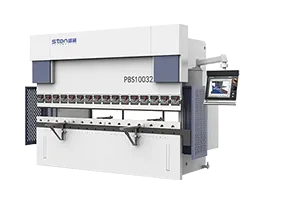
STON CNC works as a CNC sheet metal machinery manufacturer and sheet metal automation solution provider. We can help overseas buyers compare CNC turret punching machines, CNC laser cutting machines, CNC press brakes, CNC panel benders, and automatic production line options based on real production needs. Buyers can share drawings, materials, part sizes, and output targets before selecting the final solution.
A CNC turret punching machine is best chosen by product needs, tooling plan, material, batch volume, and automation goals. Good selection starts with real drawings.
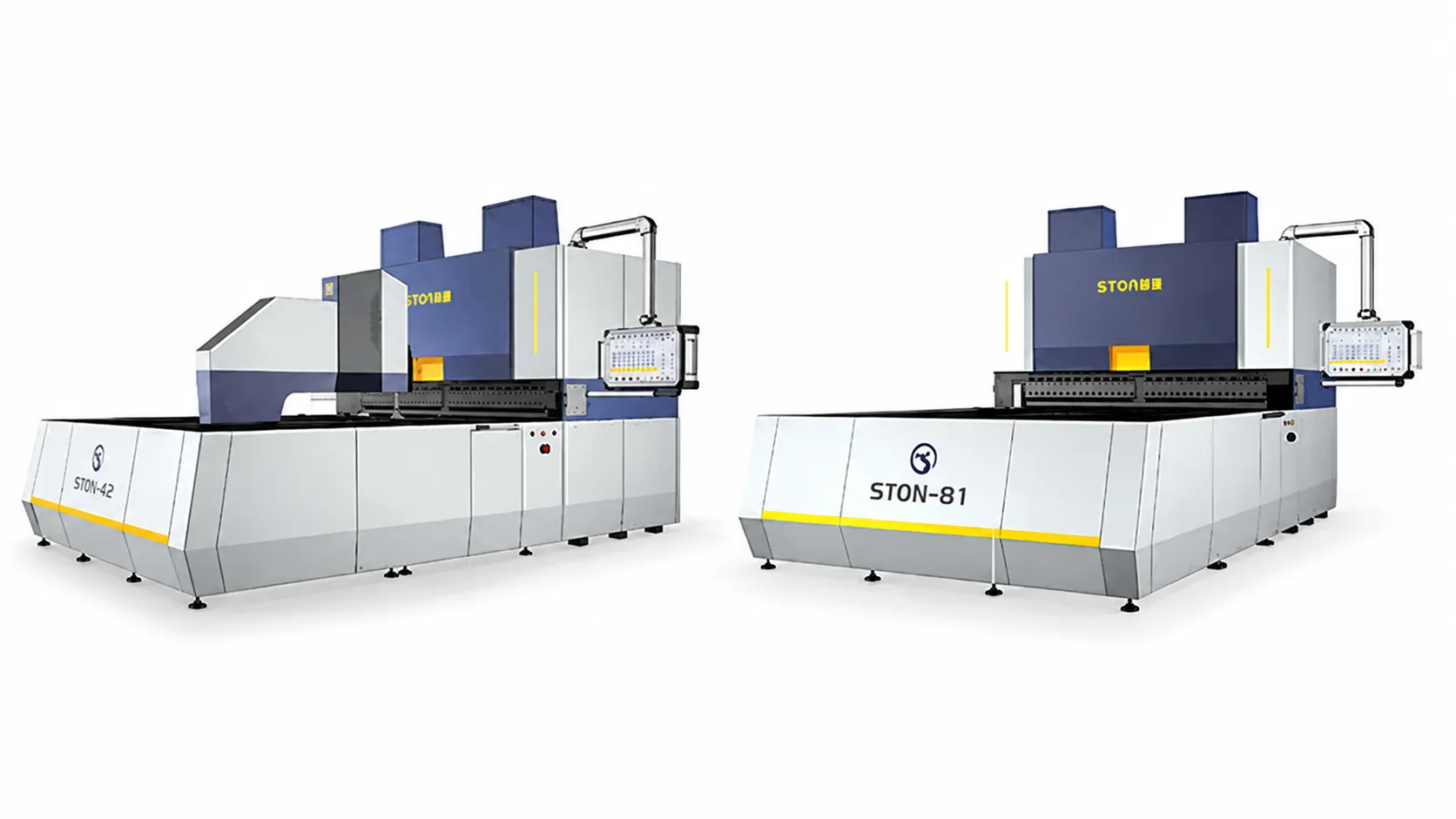
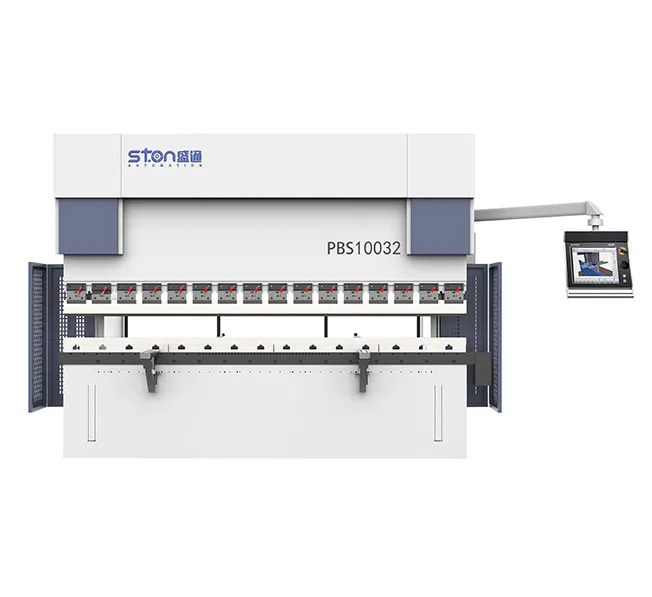
Tanto si está actualizando una línea existente como si está iniciando un nuevo proyecto, STON personalizará una solución CNC para su producción.