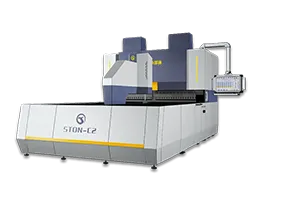
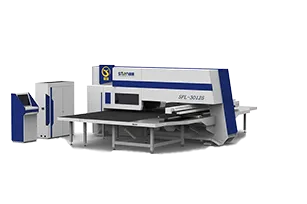
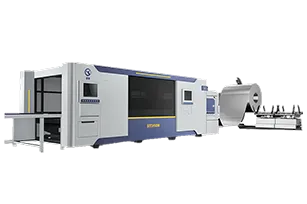
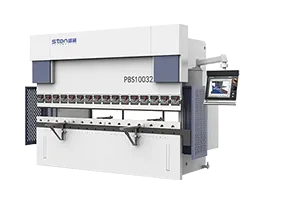
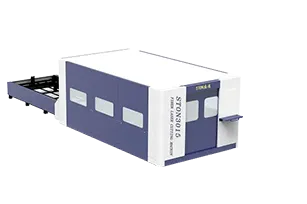
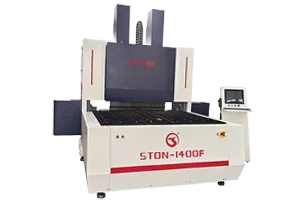
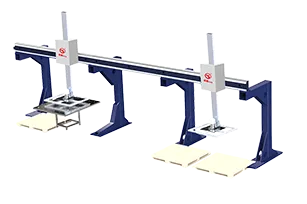
Somos responsables de la construcción-----somos responsables de la fabricación-----somos responsables de la formación

Slow bending, uneven angles, and rework can quietly eat your profit. If every bend needs too much checking, your delivery time suffers. A CNC press brake gives factories a cleaner, safer, and more repeatable way to bend sheet metal parts.
A La plegadora CNC is a programmable press brake machine used to bend sheet metal with controlled force, accurate backgauge positioning, and stable bending angles. It helps manufacturers improve precision, reduce manual adjustment, support different materials, and build a more efficient fabrication workflow.
A CNC press brake is a machine used for bending metal sheets into accurate angles and shapes. It uses a punch and die tool set to press the workpiece into the required form. The CNC controller helps control the bend position, bending angle, backgauge movement, and repeatable operation.
In simple words, a press brake helps your factory bend flat sheet metal into usable parts. These parts may become cabinet panels, door frames, HVAC duct parts, machine covers, appliance panels, metal furniture parts, or an enclosure. The machine gives each bend a controlled shape instead of relying only on hand skill.
A CNC press brake is different from a manual or traditional press because it uses computer numerical control. The operator enters or imports bending data, and the CNC system guides the movement. This helps improve accuracy and efficiency in daily sheet metal production.
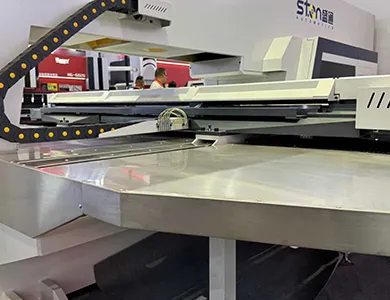
To understand how a press brake works, think of it as a controlled bending system. The operator places a metal sheet on the machine. The backgauge moves to the correct position. The upper tool moves down. The sheet bends into the lower die. Then the machine opens, and the part moves to the next bend.
The basic process looks like this:
| Step | What Happens | Por qué es importante |
| Drawing Review | The part shape and bend lines are confirmed | Reduces incorrect bending operations |
| Tool Setup | The appropriate punch and die are selected | Matches the material thickness and required angle |
| Backgauge Setting | The workpiece is accurately positioned | Controls the bend location |
| Bending | The ram presses the sheet metal into the die | Forms the required bending angle |
| Inspection | The bending angle and dimensions are checked | Maintains stable production quality |
| Next Process | The finished part moves to assembly or welding | Improves the overall production workflow |
A press brake machine may look simple from the outside, but good bending depends on many details. Bend length, tonnage, tool choice, CNC control, material springback, and operator training all affect the final result.
For manufacturers, this is where CNC makes a big difference. The controller stores bending programs, reduces repeated setup work, and helps operators produce parts with more stable quality.
Factories use CNC press brakes because they need precision and repeatability. A small error in one bend can create a big problem later. A cabinet door may not close well. A metal furniture panel may not align. A duct part may not fit. A machine enclosure may leave a visible gap.
A CNC press brake helps reduce these problems by controlling the bend process. It supports accurate bending, repeatable part quality, and faster setup for different jobs. This is important for both high-volume production and flexible small-batch fabrication.
Main benefits include:
For STON customers, the goal is not just to buy a press brake. The real goal is to build a stable production process. When bending becomes predictable, your whole factory moves better.
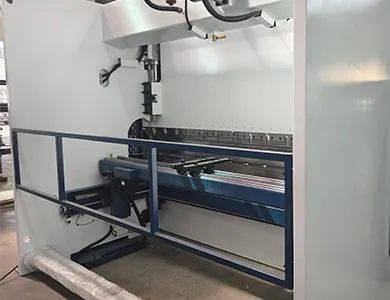
A hydraulic press brake uses a hydraulic system to drive the bending motion. It is widely used for strong bending force, large parts, and thick materials. A pure electric press brake uses an electric servo drive system, which can reduce hydraulic oil use, lower maintenance, and support cleaner production.
| Type | Main Strength | Best For |
| Hydraulic Press Brake | High bending force and a wide tonnage range | Thick sheets, heavy-duty bending, and large workpieces |
| Electric Press Brake | Clean operation, energy efficiency, and fast response | Thin-to-medium sheets, clean workshops, and lower-maintenance production |
| Hybrid Press Brake | Combines hydraulic force with improved energy control | Buyers requiring both high bending force and energy efficiency |
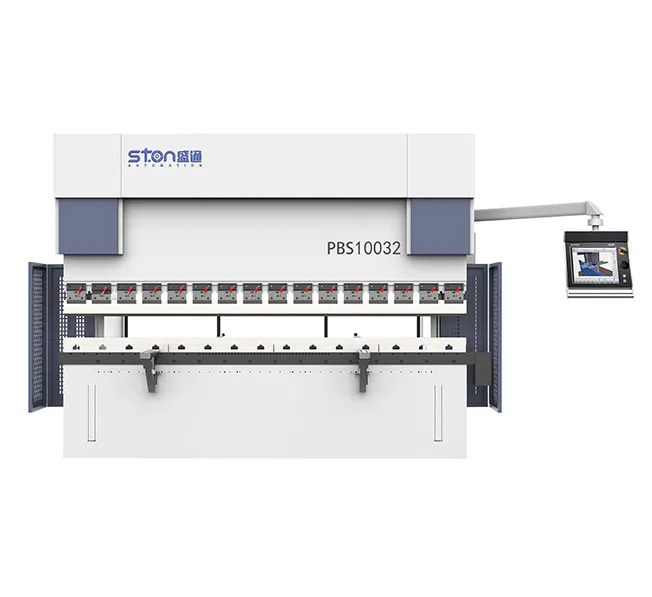
STON’s Press Brake series includes hydraulic and electric options. The PBS Series is an electro-hydraulic servo press brake for stable heavy-duty bending. The PBE Series is a pure-electric press brake for clean, low-maintenance, energy-saving bending.
The choice depends on your parts. If you bend thicker mild steel, long panels, or heavy workpieces, a hydraulic press may be the right fit. If you focus on clean production, lower noise, and smaller precision sheet metal parts, an electric press may give better long-term value.
A CNC hydraulic press brake is often used when a factory needs stable force and flexible bending capacity. It is suitable for door frames, electrical cabinet parts, large brackets, structural components, HVAC parts, and industrial metal sheets.
This type of machine is useful when the workpiece is longer, thicker, or harder to form. The hydraulic system provides strong force, while the CNC controller improves bending accuracy. For many factories, this balance is practical and reliable.
A hydraulic press brake is often selected for:
STON’s PBS electro-hydraulic servo press brake is designed for stable CNC bending. It supports different tonnage choices and bending lengths, making it suitable for factories that need both power and flexible machine configuration.
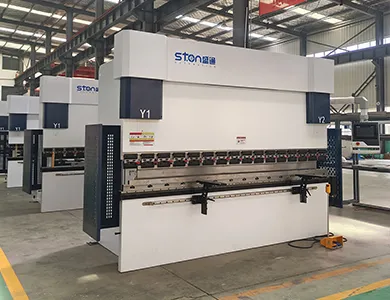
Tonnage is one of the most important press brake selection points. It means how much bending force the machine can provide. If the tonnage is too low, the machine may not bend the part correctly. If the tonnage capacity is much higher than needed, the buyer may spend more than necessary.
Bend length also matters. A factory producing short brackets does not need the same machine as a factory producing long door frames or cabinet panels. Material thickness, material strength, tool opening, and bend angle all affect press capacity.
| Selection Factor | Por qué es importante |
| Tonnage | Determines the available bending force |
| Bending Length | Determines the maximum workpiece length |
| Material Thickness | Affects the required force, tooling selection, and bend quality |
| Material Type | Stainless steel, aluminum, and mild steel have different bending characteristics |
| Die Opening | Affects the required bending force and inside bend radius |
| Backgauge Axes | Determine positioning flexibility and bending complexity |
| Machine Frame | Affects machine stability and long-term bending accuracy |
A good supplier should not recommend a press brake only by price. The better way is to review drawings, maximum sheet size, material thickness, bend angle, annual output, and future product plans.
At STON, we treat this as a project selection process. We help buyers choose tonnage, controller, tool sets, backgauge configuration, and safety options based on real production needs.
The tool is the part that directly shapes the metal. The upper punch and lower die must match the material, angle, thickness, and part shape. A poor tool choice can cause wrong angles, marks, cracks, or unstable bending.
The controller is also critical. A press brake with DELEM control can help operators manage bending programs, part data, axis movement, and compensation. A CNC controller makes daily work easier, especially when the factory handles many product types.
Important press brake components include:
A modern CNC press brake should be easy to operate and maintain. Operators need clear screens, simple program storage, reliable motion, and practical service support. A machine that is hard to use can slow down even a skilled team.
A press brake is used for bending many types of sheet metal product. It appears in cabinet plants, HVAC workshops, metal furniture factories, door factories, appliance production, elevator panel production, lighting hardware, machinery manufacturing, and custom fabrication shops.
Typical applications include:
| Industria | Common Parts |
|---|---|
| Electrical Cabinets | Cabinet doors, side panels, and distribution boxes |
| Doors and Frames | Door frames, folded panels, and reinforcement parts |
| HVAC | Air ducts, ventilation components, and covers |
| Metal Furniture | Storage cabinets, shelves, and drawers |
| Home Appliances | Washing machine panels, oven panels, and protective covers |
| Elevators and Architecture | Elevator door panels and decorative metal sheets |
| Machinery | Machine guards, covers, brackets, and enclosure components |
Press brakes offer strong flexibility because one machine can bend many different products. That is why they remain important in the manufacturing industry even as automation grows.
For many STON customers, the press brake works together with laser cutting, turret punching, panel bending, and loading systems. This creates a complete sheet metal fabrication process from blank cutting to final forming.
Yes. A press brake can work as part of an automated bending cell when the part type, production volume, and handling method are suitable. Automation can include robotic loading, unloading, part positioning, tool change support, and connection with upstream or downstream equipment.
A bending cell can help reduce manual handling and improve stable output. This is useful for high-volume cabinet parts, repeated brackets, appliance panels, or other parts with steady production demand.
Common automation options include:
Automation should be planned carefully. The supplier must review part size, weight, bend sequence, safety area, floor space, cycle time, and operator workflow. A press brake is powerful, but the best results come from the right system design.
STON es un Fabricante de equipos de automatización para chapa y de fabricación CNC. We provide OEM/ODM and factory-direct bending solutions for global manufacturers. Our product system includes CNC press brake machines, panel benders, turret punch presses, laser cutting units, flanging machines, automatic loading and unloading systems, and complete sheet metal production lines.
For press brake projects, we help customers review product drawings, bend length, material thickness, tonnage needs, controller options, tool requirements, workshop layout, local power conditions, safety expectations, and future automation plans.
Our target customers include:
A good press brake purchase should bring more than a machine. It should bring stable production, lower rework, service and support, spare parts planning, training, and long-term confidence.
A CNC press brake is a sheet metal bending machine that uses a CNC controller, punch and die tooling, and controlled force to bend metal sheets into accurate angles. It is widely used for cabinets, enclosures, HVAC parts, door frames, metal furniture, appliance panels, and custom fabrication parts.
A press brake works by pressing sheet metal between an upper punch and a lower die. The backgauge positions the workpiece, the ram moves down, and the sheet bends to the programmed angle. With CNC control, the machine can repeat the same bending operation with better accuracy and consistency.
A hydraulic press brake uses a hydraulic system to provide strong bending force, making it suitable for thicker sheets, longer parts, and heavy-duty bending. An electric press brake uses a servo-electric drive system, which is cleaner, more energy-saving, quieter, and easier to maintain for suitable thin-to-medium sheet metal parts.
A CNC hydraulic press brake is used for bending sheet metal parts that require strong tonnage, stable force, and flexible bending capacity. It is suitable for electrical cabinets, metal doors, machine enclosures, HVAC ducts, structural parts, brackets, and other industrial sheet metal products.
To choose the right press brake tonnage, you need to check material type, material thickness, bend length, die opening, bending angle, and part design. Thicker or stronger materials require higher tonnage. A reliable manufacturer should review your drawings before recommending the correct machine configuration.
A CNC press brake can bend many sheet metal materials, including mild steel, stainless steel, aluminum, galvanized sheet, cold-rolled steel, and painted metal sheets. The suitable material thickness depends on the machine tonnage, tool selection, bending length, and required bending angle.
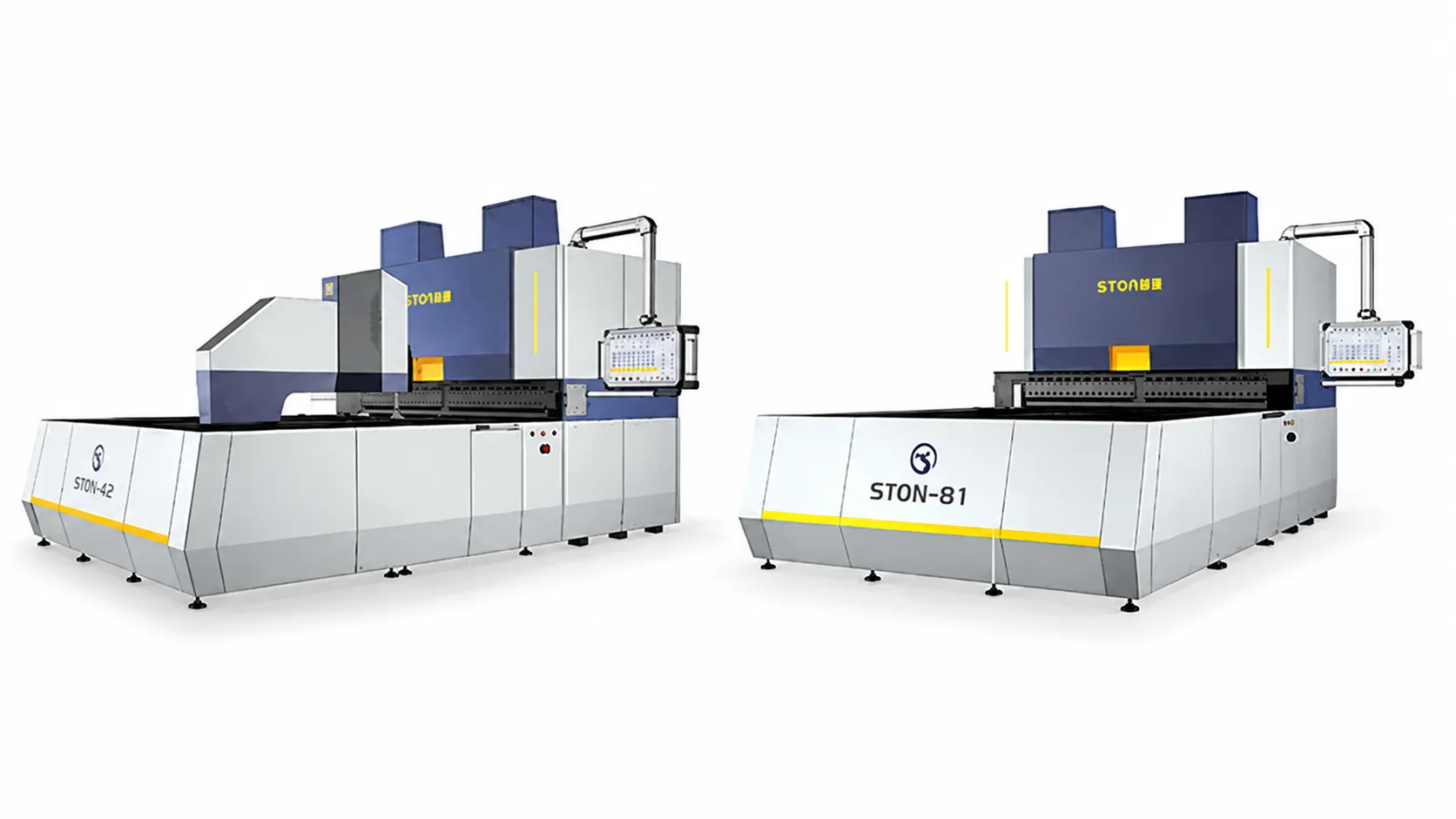
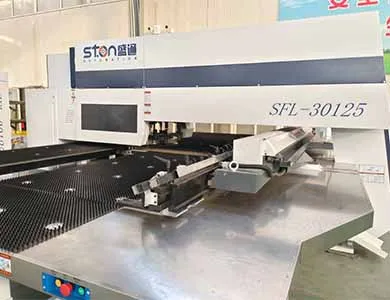
Tanto si está actualizando una línea existente como si está iniciando un nuevo proyecto, STON personalizará una solución CNC para su producción.