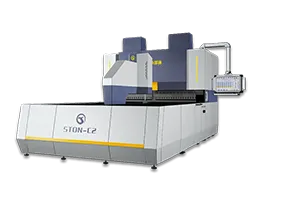
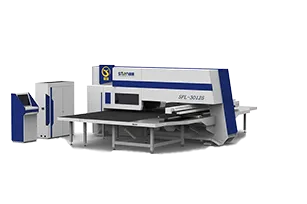
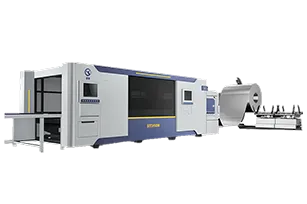
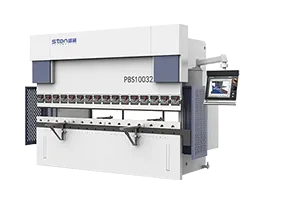
Somos responsables de la construcción-----somos responsables de la fabricación-----somos responsables de la formación

Muchas fábricas tienen problemas con la velocidad de plegado lenta, ángulos de plegado inestables y costos laborales crecientes. Cuando un plegado incorrecto retrasa el siguiente paso de soldadura, ensamblaje o pintura, todo el taller lo siente. Una plegadora CNC bien elegida puede resolver esto con un plegado más rápido, limpio y repetible.
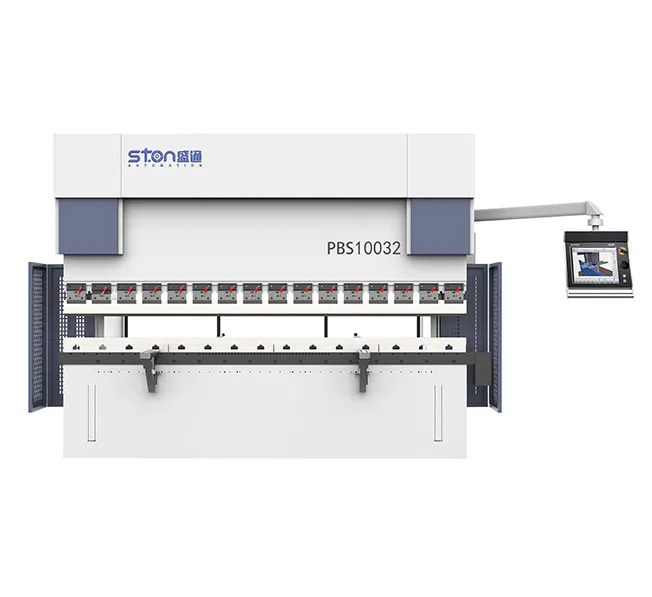
A La plegadora CNC es una máquina herramienta utilizada para plegar chapa metálica en ángulos y formas precisas. Utiliza un punzón y matriz, movimiento de ariete controlado, un sistema de control CNC y un tope trasero para completar el plegado de precisión para gabinetes, piezas de HVAC, electrodomésticos, muebles metálicos, cubiertas de maquinaria y otros componentes metálicos.
Una plegadora CNC es una máquina de plegado utilizada para plegar chapa metálica en ángulos específicos, perfiles, cajas, canales, soportes y carcasas. Es una de las máquinas más importantes en la fabricación moderna de chapa metálica, especialmente cuando las fábricas necesitan precisión estable en muchas piezas. En comparación con las máquinas de plegado simples, una máquina plegadora CNC puede almacenar programas, controlar la secuencia de plegado y ayudar al operador de la plegadora a terminar piezas más complejas con menos prueba y error.
En la producción diaria, una plegadora hace más que doblar una pieza. Afecta todo el flujo de trabajo. Si el ángulo de plegado es incorrecto, la pieza puede no encajar durante la soldadura o el ensamblaje. Si el proceso de plegado es lento, la unidad de corte láser, la línea de punzonado y el área de ensamblaje pueden quedar en espera. Por eso muchos fabricantes ahora ven la plegadora como un paso clave en la producción inteligente de chapa metálica.
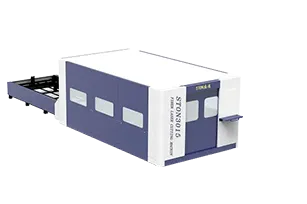
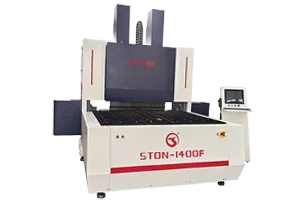
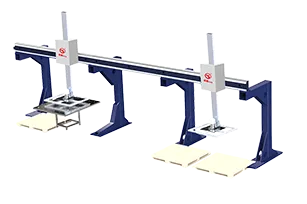
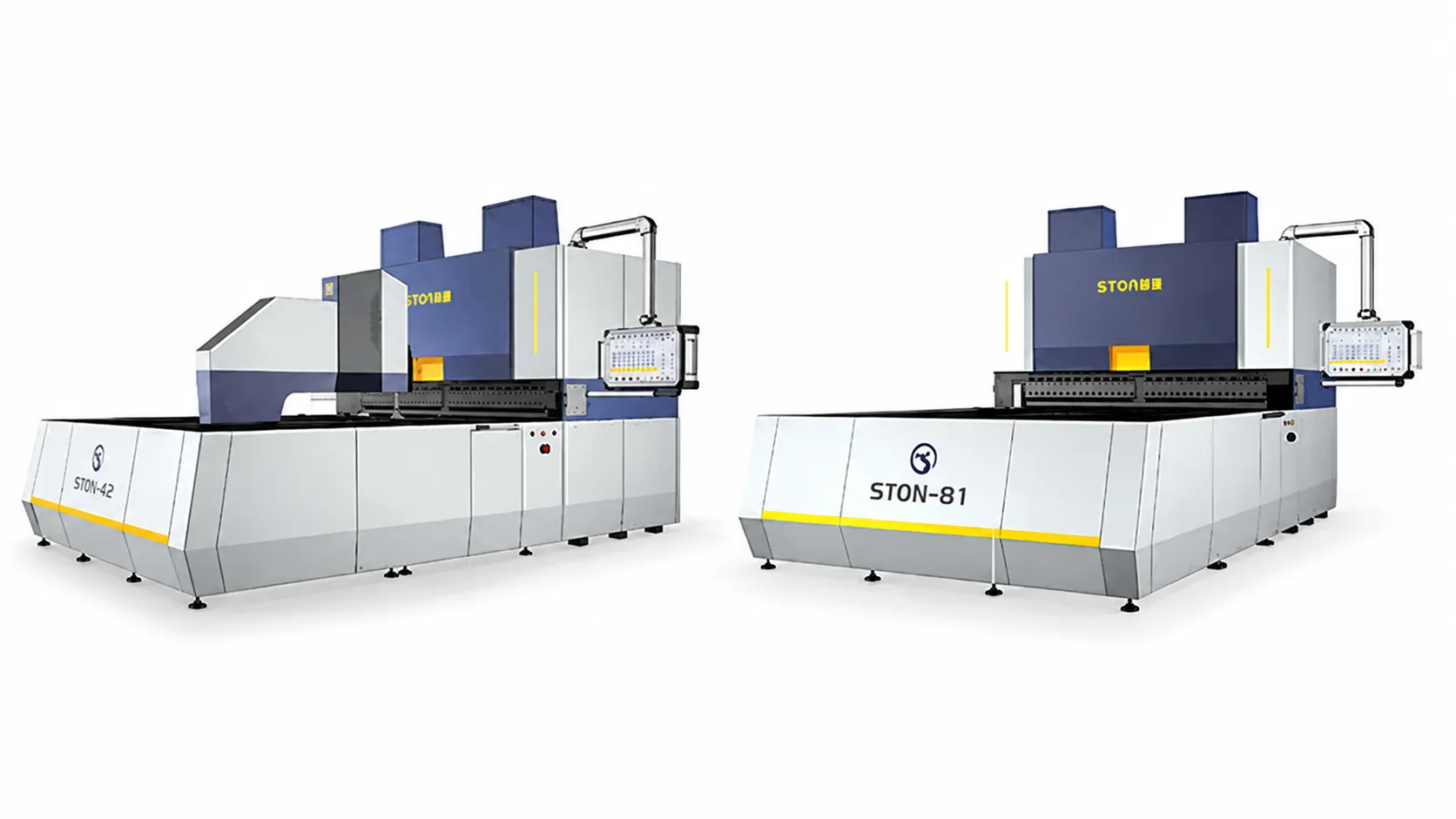
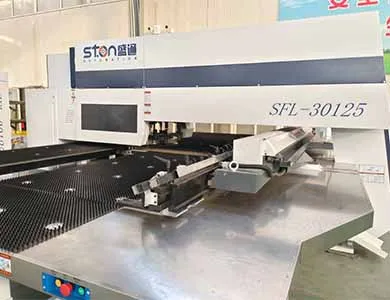
Para STON, un fabricante chino de maquinaria CNC para chapa metálica, la plegadora es parte de una solución de automatización más amplia. STON proporciona paneles plegadoras, prensas punzonadoras tipo torreta, plegadoras, unidades de corte láser y líneas de producción automáticas para fabricantes globales que desean mayor eficiencia, menor costo de mano de obra y producción más estable.

Una plegadora funciona presionando un punzón sobre chapa metálica colocada sobre una matriz. La máquina aplica fuerza a través de un ariete, y la chapa metálica se pliega a lo largo de la línea de la herramienta. El plegado final depende del espesor del material, la apertura en V, el radio del punzón, el tonelaje, la longitud de plegado y la posición del tope trasero. Los métodos comunes de plegado en plegadora incluyen plegado al aire, plegado de fondo y acuñado; cada método utiliza un nivel diferente de fuerza y contacto entre la chapa y la matriz.
A traditional mechanical press brake can still bend metal, but it often depends more on the operator’s experience. A CNC press brake reduces this dependence. It uses a control system, servo motors, and programmable movement to make each bend easier to repeat. This is important when a factory has many product models, short delivery times, and frequent order changes.
The biggest benefit is repeatability. Once the correct program is set, the CNC press brake can repeat the same bend with stable results. This is useful for batch production of cabinet doors, machine covers, ventilation parts, stainless steel panels, and other precision sheet metal products. It also helps new operators learn faster because the machine guides the bending sequence.
A CNC press brake bending machine also supports more flexible production. When you need to bend different sheet metal parts in one day, stored programs help reduce setup time. For B2B buyers, this means better order response, fewer rejected parts, and a more predictable production schedule.
A hydraulic press brake uses a hydraulic system, hydraulic oil, hydraulic cylinders, and pressure control to generate bending force. It is a practical choice for heavy-duty bending, thick plates, and long bending lengths. A hydraulic press is often selected when the buyer needs strong tonnage, a large press brake, or a machine for demanding metal fabrication jobs.
An electric press brake uses electric servo drive technology instead of a traditional hydraulic system. It is known for fast response, lower energy use, and clean operation. A servo press or electric press can be suitable for small and medium sheet metal parts that require high speed and high precision. Servo press brakes are often used in factories that value low maintenance, quiet operation, and stable precision bending.
A hybrid press brake combines hydraulic and electric advantages. In many designs, servo motors control the hydraulic pump, which improves energy use and response compared with traditional hydraulic and electric systems. Research and industry discussion show that servo-driven hybrid press brake systems can reduce energy consumption compared with traditional hydraulic applications, depending on working cycles and machine configuration.
Accuracy starts with structure. A strong machine frame, stable cylinder movement, good ram synchronization, and reliable CNC control all affect the final bend. If the frame is weak or the hydraulic cylinders do not move evenly, the bend angle may change from left to right. This is a common problem in long parts and heavy-duty bending.
A modern CNC press brake improves precision through several parts working together: CNC control, servo positioning, back gauge accuracy, crowning compensation, and correct tooling. These parts help the machine control the bending operation more predictably. In real factory work, this means fewer test bends, fewer adjustments, and less material waste.
For buyers, high precision should not be viewed as a slogan. It should be linked to real production needs. Ask questions like:
When a CNC press brake matches these needs, it can support stable precision sheet metal production for years.
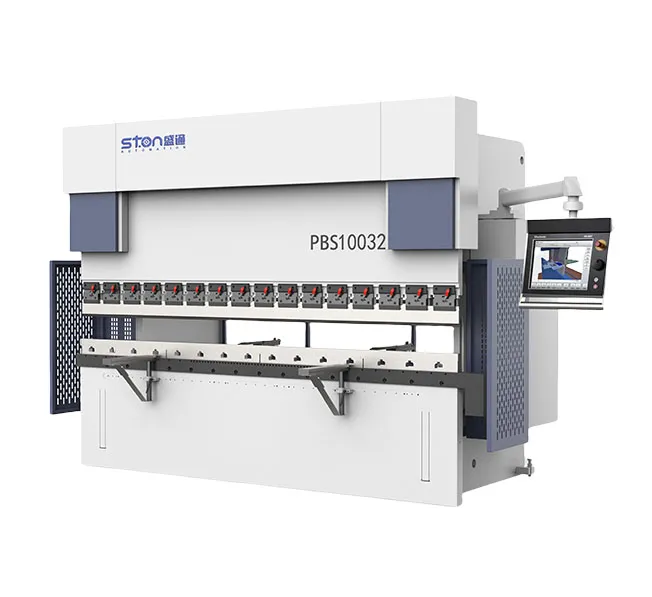
A sheet metal press brake is used in many industries because almost every metal enclosure or formed part needs bending. Electrical cabinet factories use press brakes to bend doors, side panels, mounting plates, and control box parts. HVAC manufacturers use them for air ducts, ventilation covers, filters, and casing parts. Appliance producers use them for refrigerator panels, washing machine parts, and equipment covers.
Metal furniture makers use press brake bending for filing cabinets, lockers, shelves, drawers, and office furniture frames. Machinery manufacturers use press brakes for machine guards, equipment housings, base covers, and structural panels. In these industries, the press brake is not a single machine. It is part of a production chain that may also include shearing machines, turret punching, laser cutting, welding, powder coating, and assembly.
STON’s overseas customers include sheet metal fabricators, electrical cabinet factories, HVAC manufacturers, appliance producers, metal furniture makers, and machinery distributors. For these buyers, a La plegadora CNC is often selected not only for bending ability, but also for long-term production stability and factory automation planning.
Automation is changing press brake work. In the past, a press brake operator needed to lift, position, bend, flip, and check every part manually. This was slow and tiring, especially for large or repetitive sheet metal parts. Today, automation can help with loading, positioning, bending, unloading, and even production line connection.
A bending cell can combine a CNC press brake, robot, gripper, tool system, and control software. In a robotic bending cell, the robot handles the sheet, while the press brake completes each bend. This helps factories reduce labor intensity, improve safety, and keep output more stable. Robotic bending is especially useful for repeat orders, cabinet panels, appliance parts, and batch production.
For factories building smart workshops, a CNC press brake can be connected with laser cutting units, turret punch presses, panel benders, and automatic sheet metal production lines. STON positions itself as a sheet metal automation solution provider, so the goal is not only to sell one press brake machine, but to help manufacturers build a more efficient production flow.
Press brake safety matters because the machine works with strong force and moving tools. OSHA notes that press brake hazards can involve the point of operation, accidental cycling, and stock movement during forming; common safeguarding methods include presence sensing devices, two-hand controls, pullback devices, and restraint devices.
Safety is also part of machine design. ISO 16092-3:2017 covers significant hazards related to hydraulic presses when used as intended and under reasonably foreseeable misuse conditions. For buyers, this means machine safety should be discussed early, especially if the press brake will be used in export-oriented factories or regions with strict workplace requirements.
A safer press brake setup may include light curtains, laser protection, emergency stop devices, foot pedal protection, operator training, safe tooling storage, and clear bending procedures. A skilled press brake operator is still important, even with a modern cnc press. Good training helps protect people and improve part quality.

A CNC press brake creates value in three ways: better part quality, faster production, and lower hidden costs. Better part quality means fewer rejected parts and smoother assembly. Faster production means orders move more quickly from cutting to bending, welding, painting, and final shipment. Lower hidden costs come from less rework, less material waste, and lower dependence on highly experienced operators.
For distributors and factory buyers, this value can become a strong selling point. A precision cnc press is not just a machine. It is a way to improve the factory’s ability to accept more complex orders. It also helps the factory respond to customized sheet metal product needs, which are common in cabinets, HVAC, appliances, and machinery parts.
In AIDA terms, the logic is simple:
A La plegadora CNC is used to bend sheet metal into accurate angles and shapes. It is widely used for cabinets, HVAC parts, appliance panels, machinery covers, metal furniture, brackets, and other formed metal components.
A hydraulic press brake uses hydraulic pressure and cylinders to create bending force. An electric press brake uses servo motors and electric drive systems. Hydraulic models are often chosen for strong force and larger parts, while electric models are often chosen for speed, energy efficiency, and clean operation.
You should choose tonnage based on material type, thickness, bending length, V-die opening, and required bend angle. It is better to share drawings and material details with the manufacturer so they can recommend a safe and practical machine configuration.
Yes. A CNC press brake can bend stainless steel, carbon steel, aluminum, galvanized sheet, and other sheet metals. Stainless steel usually needs more bending force than mild steel, so tooling and tonnage selection must be checked carefully.
It depends on order volume and part repeatability. If the factory produces many repeated parts, a robotic bending cell can reduce labor and improve consistency. For small-batch custom jobs, a flexible CNC press brake or panel bender may be more practical.
STON is a China-based CNC sheet metal machinery manufacturer offering press brakes, panel benders, turret punch presses, laser cutting units, and automated production lines. For global buyers, STON can support both single-machine needs and full sheet metal automation planning.
Tanto si está actualizando una línea existente como si está iniciando un nuevo proyecto, STON personalizará una solución CNC para su producción.